
Keynote Speakers
June 23, 2026 (Tuesday)
10:00 am, June 23 (Tuesday) – Conference Chair and IEOM Society Remarks
10:10 am, June 23 (Tuesday) – Conference Opening and Host Welcome
10:30 – 11:00 am, June 23 (Tuesday) – Keynote
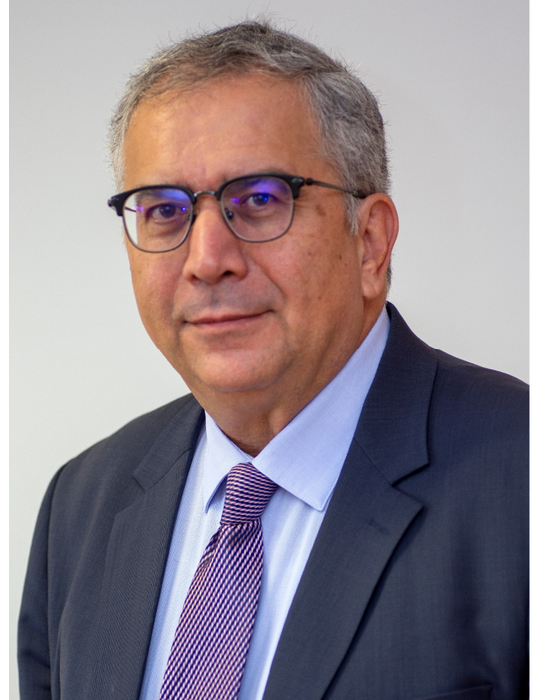 Prof. M. Selim Aktürk
Professor, Department of Industrial Engineering
Bilkent University
Ankara, Türkiye
Past Dean (2023 – 2025), Faculty of Business Administration
Past Chair (2013 – 2021), Industrial Engineering Department
Title: Impact of Fuel Prices on Strategic Airline Network Planning and Sustainability
Prof. Aktürk has been a full-time faculty member at Bilkent University since 1990. He served as the Dean of the Faculty of Business Administration from 2023 to 2025 and as Department Chair of the Industrial Engineering Department from 2013 to 2021. During his sabbatical leaves, he spent an academic year at the UC Berkeley IEOR Dept. (twice), McGill University’s Faculty of Management, and Carnegie Mellon University, as a visiting professor. Prof. Aktürk has been the President of the Operational Research Society of Turkey since 2013. Prof. Aktürk is a Fellow of INFORMS, class of 2023.
11:00 – 11:30 am, June 23 (Tuesday) – Keynote:
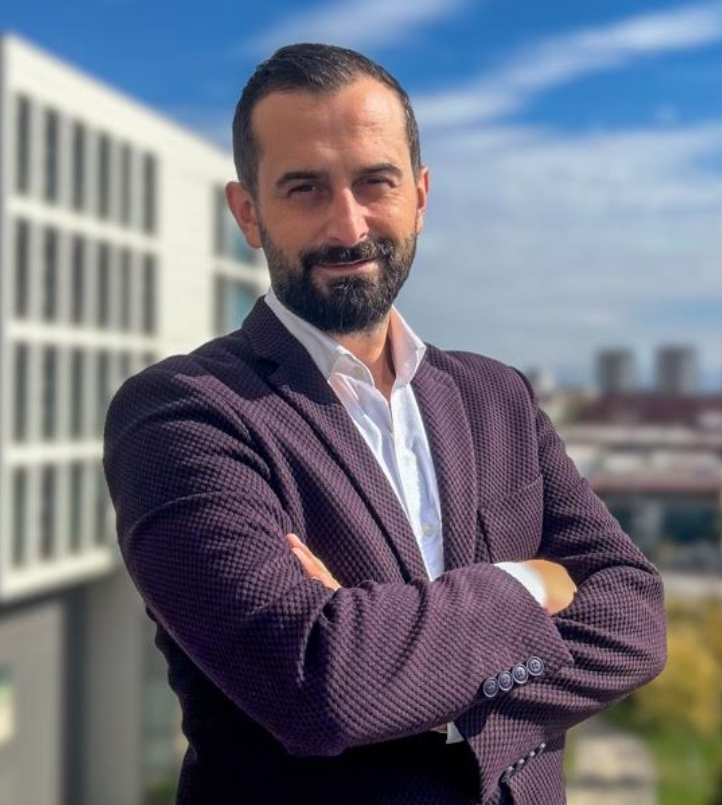 Çağatay Cangüloğlu
Founder & CEO
Baca Engineering / upu.io
Ankara, Türkiye
Çağatay Cangüloğlu is the Founder and Chief Executive Officer of Baca Engineering and the creator of the upu.io industrial digitalization platform. He earned his Bachelor’s degree in Physics Engineering from Ankara University in 2009.
In the early stages of his professional career, Cangüloğlu worked in the private sector focusing on the dynamic modelling of physical systems. Combining strong technical expertise with an entrepreneurial vision, he founded Baca Engineering in 2014. Under his leadership, the company has successfully delivered numerous high-impact engineering projects for the defence and oil industries.
His work has focused particularly on the localization and reverse engineering of complex electro-mechanical systems, as well as the development of advanced industrial automation solutions. These initiatives include robotic cell integration and the modernization of manufacturing processes to support highly automated and unmanned production environments.
Drawing on extensive shop-floor experience and a deep understanding of industrial operations, Cangüloğlu led the development of the upu.io Manufacturing Execution System and the upu.tower IIoT Gateway in 2018. These technologies represent key innovations in manufacturing digitalization and are protected by four separate patents.
The upu.io platform gained international attention following its global launch at major technology events such as Hannover Messe and Consumer Electronics Show in Las Vegas in 2024. In the same year, the global research firm StartUs Insights recognized upu.io as one of the Top 5 Most Innovative Startups among 8,490 companies evaluated worldwide.
As of 2026, Cangüloğlu continues to lead digital transformation initiatives for major industrial organizations. His recent work focuses on integrating artificial intelligence into manufacturing management systems through solutions such as upu.abi, an AI-powered business intelligence application, and upu.vms, an AI-driven vendor management system.
Through his work in industrial automation, IIoT and AI-enabled manufacturing platforms, Çağatay Cangüloğlu remains at the forefront of innovation in smart factory technologies and the digital transformation of modern manufacturing systems.
11:30 am – 12:00 pm, June 23 (Tuesday) – Keynote
 Pelin Pekgün, Ph.D.
Department Chair for Analytics, Information Systems, Marketing & Operations Management (AIMO)
Thomas H. Davis Professor in Business and Professor of Analytics
School of Business
Wake Forest University
Winston-Salem, NC, USA
Presentation Title: Reducing Food Waste While Fighting Hunger: The Role of Distribution Strategies in Food Bank Operations
Pelin Pekgün is Thomas H. Davis Professor in Business and Professor of Analytics at Wake Forest University School of Business. She also serves as the Department Chair of Analytics, Information Systems, Marketing & Operations Management. She was formerly a Dean’s Fellow and associate professor of management science in the Darla Moore School of Business at the University of South Carolina. She also established and served as the Faculty Director of the Master of Science in Business Analytics program at the Darla Moore School of Business. Her research interests include applications of management science and operations research in supply chain management, pricing and revenue management, marketing/operations interface, and humanitarian and non-profit operations. Her research has appeared in top journals including Manufacturing & Service Operations Management, Production and Operations Management, Journal of Operations Management, Journal of Marketing, Decision Sciences and IIE Transactions.
Prior to joining academia, Professor Pekgün led the operations research team in North America at JDA Software’s Pricing and Revenue Management Group, where she worked in various projects in retail, hospitality, passenger travel and other leisure industries. Her work with the Carlson Rezidor Hotel Group on stay night price optimization was a finalist for the 2012 INFORMS Franz Edelman Award and the 2013 INFORMS Revenue Management and Pricing Section Practice Award. She currently serves as an Associate Editor for Manufacturing & Service Operations Management and Decision Sciences journals, and the Editor of the annual special issue dedicated to the Edelman Award finalist papers for the INFORMS Journal on Applied Analytics. She also serves as the Secretary on the INFORMS Board of Directors and Executive Committee and as the Vice President, Industry on the Production and Operations Management Society (POMS) Board.
Professor Pekgün holds M.S. and Ph.D. degrees in industrial and systems engineering from Georgia Institute of Technology, and B.S. and M.S. degrees in industrial engineering from Bogazici University in Istanbul, Turkey.
12:00 – 12:30 pm, June 23 (Tuesday) – Keynote
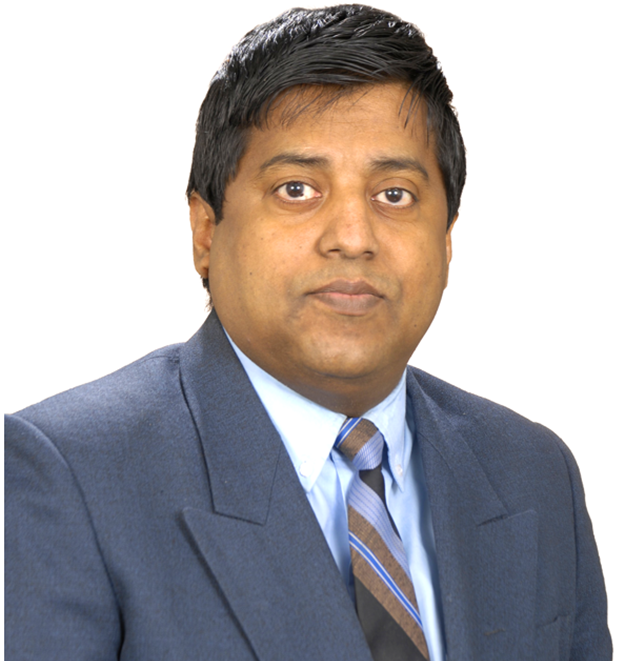 Ahad Ali, Ph.D.
Associate Professor
Director, Doctor of Engineering in Advanced Manufacturing
Director of Industrial Engineering Program
Director, Graduate Certificate in Lean Six Sigma
Director, Smart Manufacturing and Lean Systems Research Group
Coordinator, Siemens Electro-Matic Industrial Engineering Lab
A. Leon Linton Department of Mechanical, Robotics and Industrial Engineering
Lawrence Technological University
Southfield, Michigan, MI 48075, USA
Presentation Title: Industry 4.0, AI in Manufacturing, Manufacturing Execution Systems (MES), and PBL
Dr. Ahad Ali is an associate professor, director of the Doctor of Engineering in Advanced Manufacturing, Director of the Industrial Engineering Program, and Director of Graduate Certificate in Lean Six Sigma at A. Leon Linton Department of Mechanical, Robotics, and Industrial Engineering of the Lawrence Technological University (LTU), Southfield, Michigan, USA. He established the Siemens Electro-Matic Industrial Engineering Lab at LTU. Dr. Ali was the primary author of the ABET self-study report of the BSIE Program at LTU in 2022. He earned a BS in Mechanical Engineering from Khulna University of Engineering and Technology (KUET), Bangladesh, a Master’s in Systems and Engineering Management from Nanyang Technological University, Singapore, and a Ph.D. in Industrial Engineering from the University of Wisconsin-Milwaukee, USA. Dr. Ali was an Assistant Professor in Industrial Engineering at the University of Puerto Rico – Mayaguez, a Visiting Assistant Professor in Mechanical, Industrial, and Manufacturing Engineering at the University of Toledo, and a Lecturer in Mechanical Engineering at the Bangladesh Institute of Technology, Khulna. He received an Outstanding Professor Award from the Industrial Engineering Department, University of Puerto Rico -Mayaguez. Dr. Ali has been recognized with a Fulbright Award. He has published 75 journal papers and 150 conference papers. Dr Ali conducted research projects with Chrysler, Ford, DTE Energy, New Center Stamping, Whelan Co., Delphi Automotive System, GE Medical Systems, International Truck and Engine Corporation (ITEC), and Rockwell Automation. His research interests include manufacturing systems, quality, lean, six-sigma, simulation, artificial intelligence, supply chain, and optimization. He supervised 11 doctoral students in the Doctor of Engineering in Manufacturing Systems (DEMS). He is the Founder and Chief Executive Officer (CEO) of IEOM Society International. Dr. Ali is a Co-Chair of the International Conference on Industrial Engineering and Operations Management. Dr. Ali organized IEOM conferences around the globe on six continents including Dhaka, Kuala Lumpur, Istanbul, Bali, Dubai, Orlando, Detroit, Rabat, Bristol, Bogota, Paris, Washington, DC, Lima, Johannesburg, Bangkok, Pilsen, Toronto, Costa Rica, Monterrey, Sao Paulo, Riyadh, Manila, Melbourne, New Delhi, Sydney, Augsburg, Tokyo, and Muscat. He is an associate editor of the IJIEOM (Q1, Scopus Indexing). Dr. Ali is a member of IEOM, INFORMS, SME, and IEEE.
12:30 – 1:00 pm, June 23 (Tuesday) – Keynote Panel Discussion
June 24, 2026 (Wednesday)
10:00 – 10:30 am, June 24 (Wednesday) – Keynote
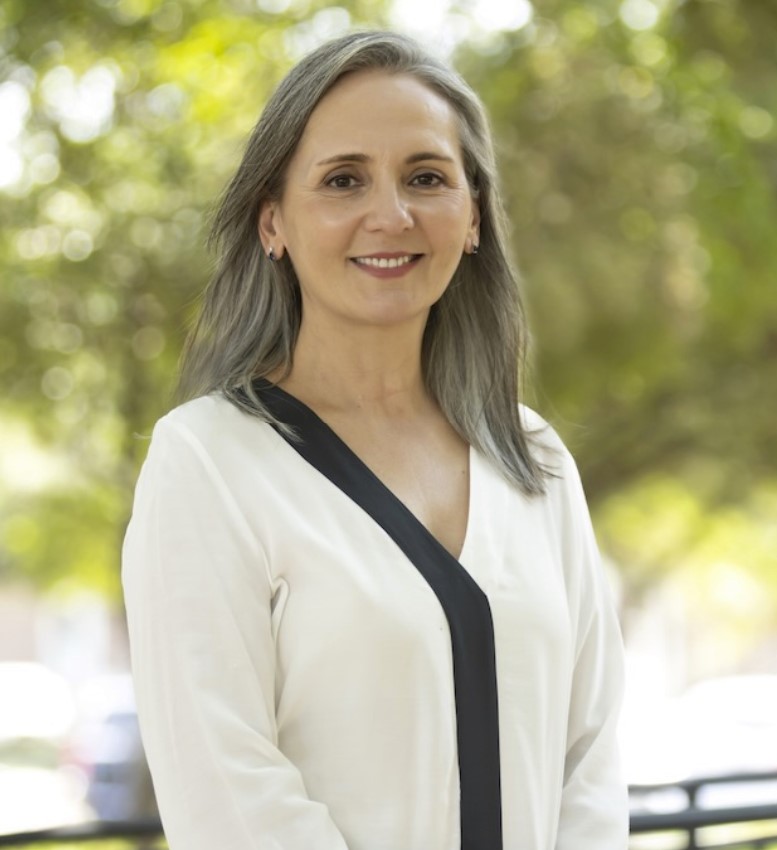 Dr. Sila Çetinkaya, Ph.D.
Professor of Operations Research and Engineering Management
Cecil H. Green Professor of Engineering
Lyle School of Engineering
Southern Methodist University
Dallas, Texas, USA
Sila Çetinkaya is Professor of OREM and Cecil H. Green Professor of Engineering in the SMU Lyle School of Engineering. She holds courtesy appointments with ITOM in the SMU Cox School of Business and with Internal Medicine in the UT Southwestern Medical Center.
Çetinkaya’s research interests include supply chain and healthcare analytics, stochastic optimal control theory, and applied probability. Her publications appeared in the most reputable outlets of industrial engineering and management science including Operations Research, Management Science, Production and Operations Management, Institute of Industrial and Systems Engineers (IISE) Transactions, INFORMS Journal of Applied Analytics (previously, Interfaces), Naval Research Logistics, and Transportation Research-B and -E, among many others. Her research program has been funded by multiple grants from National Science Foundation (NSF), Department of Education, Texas Engineering Education Coordination Board, Frito-Lay, Pepsi-Co, and Nokia, among other sponsors. She serves as a department editor of IISE Transactions and an associate editor of Naval Research Logistics. Çetinkaya is a member of INFORMS and IISE.
Education
- Ph.D., Management Science, McMaster University, Hamilton, ON, Canada
- M.Sc., Industrial Engineering, Bilkent University, Ankara, Turkey
- B.Sc., Industrial Engineering, Istanbul Technical University, Istanbul, Turkey
10:30 – 11:00 am, June 24 (Wednesday) – Industry Keynote
 Hüseyin Orhun Demir
Founder & CEO
Integva Teknoloji
istanbul, Türkiye
Hüseyin Orhun Demir is the Founder and Chief Executive Officer of Integva Teknoloji and the creator of the Coint modular robotics platform. His work focuses on reducing the technical and economic barriers to industrial automation by enabling companies to configure, simulate, and deploy customized collaborative robots through modular hardware architectures and web-based engineering tools.
Demir earned his Bachelor’s degree in Mechanical Engineering from Uludağ University in 2013. Since 2017, he has been leading independent engineering and technology initiatives, building practical expertise in mechanical design, industrial automation, and manufacturing systems.
Prior to initiating the Coint project, he worked as a design engineer on various industrial machinery developments and contributed to major national projects, including Istanbul Airport and the Presidential Symphony Orchestra Concert Hall complex. These experiences provided him with extensive exposure to large-scale engineering workflows, multidisciplinary coordination, and implementation-oriented design practices.
In October 2020, Demir founded Integva Teknoloji with support from TÜBİTAK. The company has since successfully completed multiple TÜBİTAK-supported research and development projects and continues its activities within the ODTÜ Teknokent innovation ecosystem. Under his leadership, Integva focuses on developing next-generation industrial automation solutions that are modular, scalable, and economically accessible.
At Integva, Demir leads the development of the Coint modular robotics ecosystem, which enables users to construct collaborative robots using reconfigurable joint architectures. His technical interests include modular robot joint design, machine tending automation, digital twin–driven factory systems, and scalable robot configuration platforms.
In parallel with hardware innovation, he oversees the development of integrated software infrastructure for smart manufacturing, including web-based robot configurators and 3D factory visualization environments. His long-term vision is to enable manufacturing facilities to rapidly generate functional digital twins and transition toward highly adaptive, data-driven production environments.
Demir remains actively engaged in the international startup and industrial innovation ecosystem, pursuing strategic partnerships, accelerator collaborations, and global expansion initiatives to scale the Coint platform worldwide.
11:00 – 11:30 am, June 24 (Wednesday) – Keynote
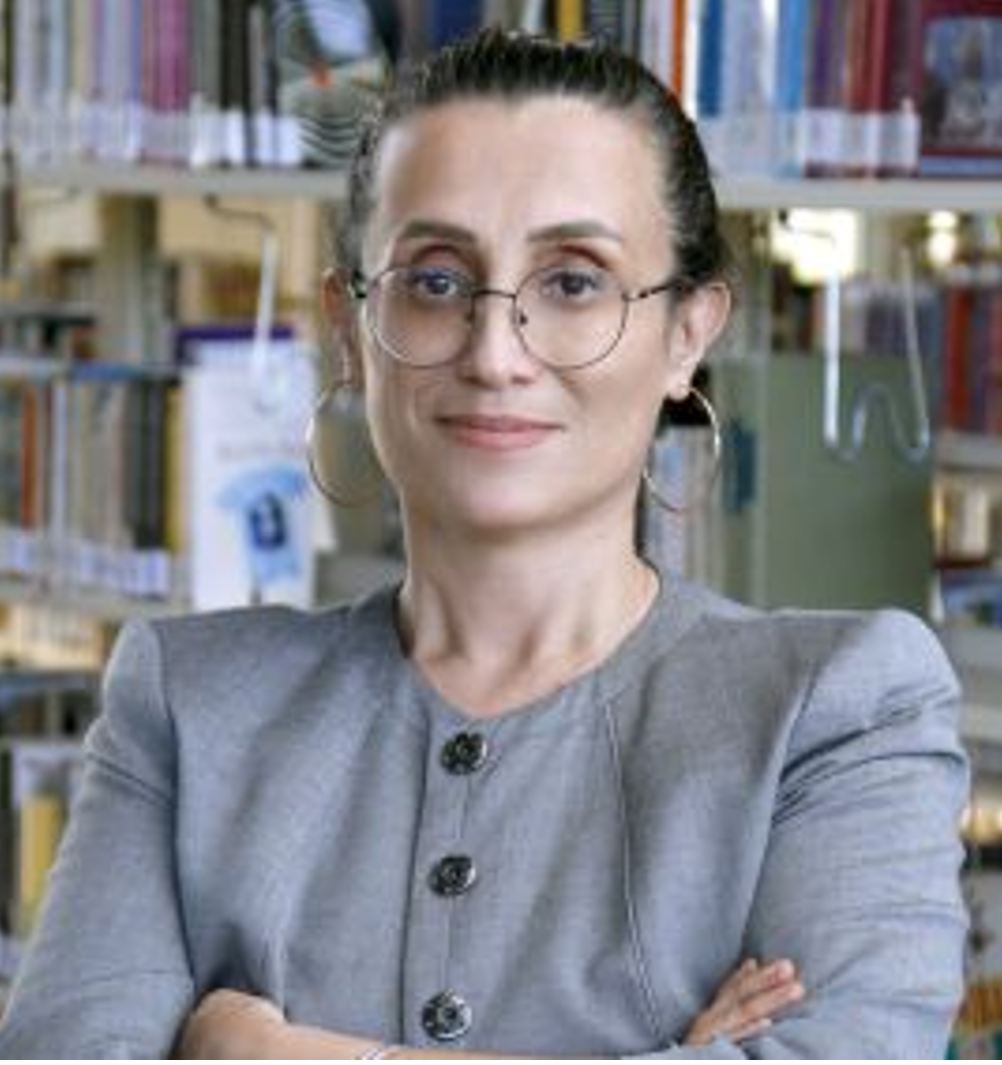 Prof. Dr. Semail ÜLGEN
Chair of Industrial Engineering Department
Antalya Bilim University
Antalya, Turkey
Assoc. Prof. Semail Ülgen is the chair of Industrial Engineering Department at Antalya Bilim University where she has been on the faculty since 2012. She received Ph.D. degree in Mathematics at Purdue University in 2005, and B.S. degree at Bilkent University in 1995. In years 2004-2006 she was at University of Mississippi, Oxford, MS as an assistant professor. Then she worked at Grand Valley State University, Allendale, MI, as an assistant professor for one year in 2006 and later she worked as an assistant professor at Northwestern University for three years starting in 2007. She held visiting assistant professor position at Indiana University, Bloomington, IN as an assistant professor for one year in 2011-1012. Dr. Ülgen was a recipient of the Young Scientist Award for Turkish American Scientists and Scholars Association (USA) in 2006. Her research interests are Finsler Geometry; Noncommutative Geometry, Applications to Mathematical Physics. She is also building research interest in stochastic processes and its applications. She was a researcher in TUBITAK 1001 (the Scientific and Technological Research Council of Turkey) research project (#113F311, Title: Einstein metrics in Finsler Geometry) for two years in 2014. She served as the adviser for the Survey Development and Implementation ATSO Pilot Project for Determining the Industrial 4.0 Status of Companies in Antalya in 2017. She was the academic adviser of the TUBITAK Efficiency Challenge Electric Vehicle Competition for mainly engineering undergraduate students during the years 2016, 2017, and 2020 organized by TUBITAK. Her team built two electric cars (got 25th in the competitions) and attended the competitions.
11:30 am – 12:00 pm, June 24 (Wednesday) – Keynote
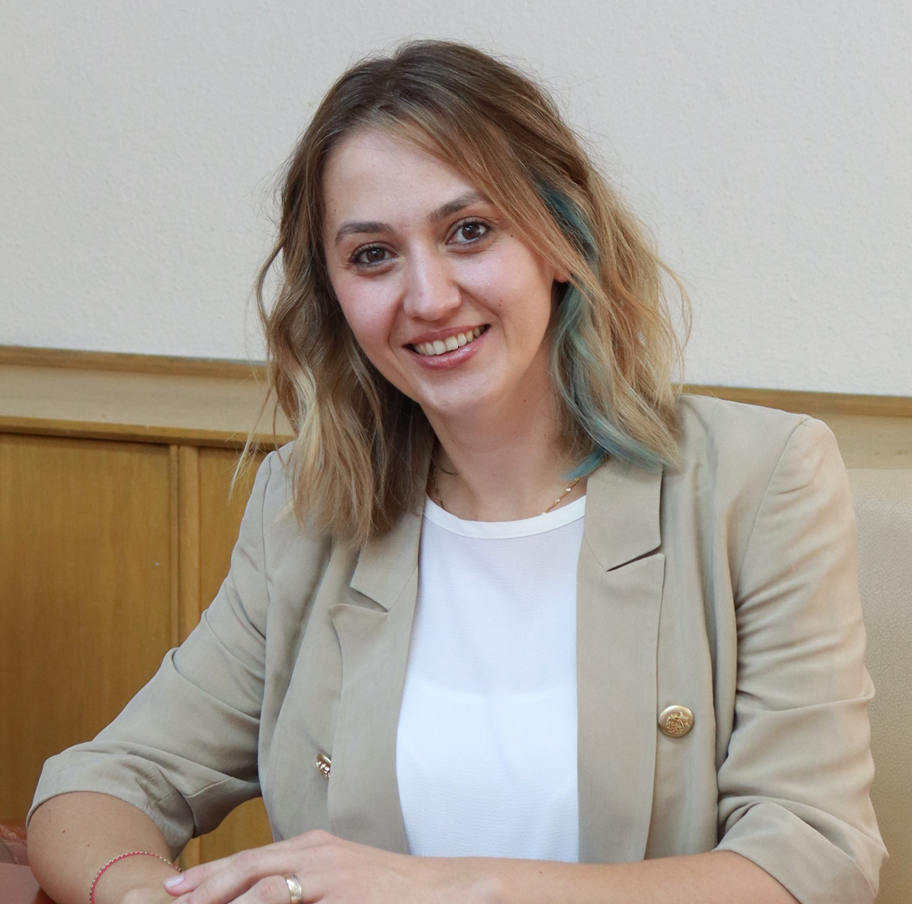 Prof. G. Didem BATUR SİR
Professor, Department of Industrial Engineering
Gazi University
Ankara, Türkiye
Presentation Title: The Strategic Value of Industrial Engineering: Perspectives from Academia and Turkish Industry
Prof. Gül Didem Batur Sir is a Professor and the current Department Vice Chair of the Industrial Engineering Department at Gazi University, Türkiye, where she has been a faculty member since 2009. She earned her B.S. and Ph.D. degrees in Industrial Engineering from Gazi University and her M.S. degree from Bilkent University. Her primary research interests lie in the fields of production planning and scheduling, optimization models for manufacturing systems, and healthcare management. She has published peer-reviewed journal papers and contributed to academic research in operations management. In addition to her academic and research roles, she has actively participated in international engineering societies and conference organizations, contributing to the advancement of the industrial engineering community. Her research has appeared in leading academic journals, including the International Journal of Production Economics, Computers & Industrial Engineering, and Socio-Economic Planning Sciences.
12:00 – 1:00 pm, June 24 (Wednesday) – Keynote Panel Discussion
 Professor Don Reimer
Chief Operating Officer
IEOM Society International
Southfield, Michigan, USA
Presentation Title: Entrepreneurship Mindset, Innovation, and Business Model Canvas for Business Incubation
Professor Don Reimer is the Chief Operating Officer of the IEOM Society International, Southfield, Michigan, USA. He is a managing member of The Small Business Strategy Group, LLC, and working as an adjunct professor at Lawrence Technological University. Professor Reimer holds a Bachelor of Science degree in Industrial Management from Lawrence Technological University and a Master of Arts degree in Political Science from the University of Detroit/Mercy. He has been recognized as a professional management consultant with over 45 years of experience in working with closely held businesses. He has taught courses in entrepreneurship, management, corporate entrepreneurship, and innovation for engineers. Professor Reimer served as a member of the Minority Economic Development Committee of New Detroit. He has served as a KEEN Fellow for The Kern Family Foundation. He is a member of the Lawrence Tech Alumni Board of Directors and has been elected a Fellow of the IEOM Society International. Professor Reimer is a faculty advisor of the Student Chapter of the IEOM Society at Lawrence Tech. He visited 17 countries to organize IEOM conferences. Professor Reimer is coordinating IEOM student chapters around the world.
June 25, 2026 (Thursday)
10:00 – 11:00 am, June 25 (Thursday) – Keynote
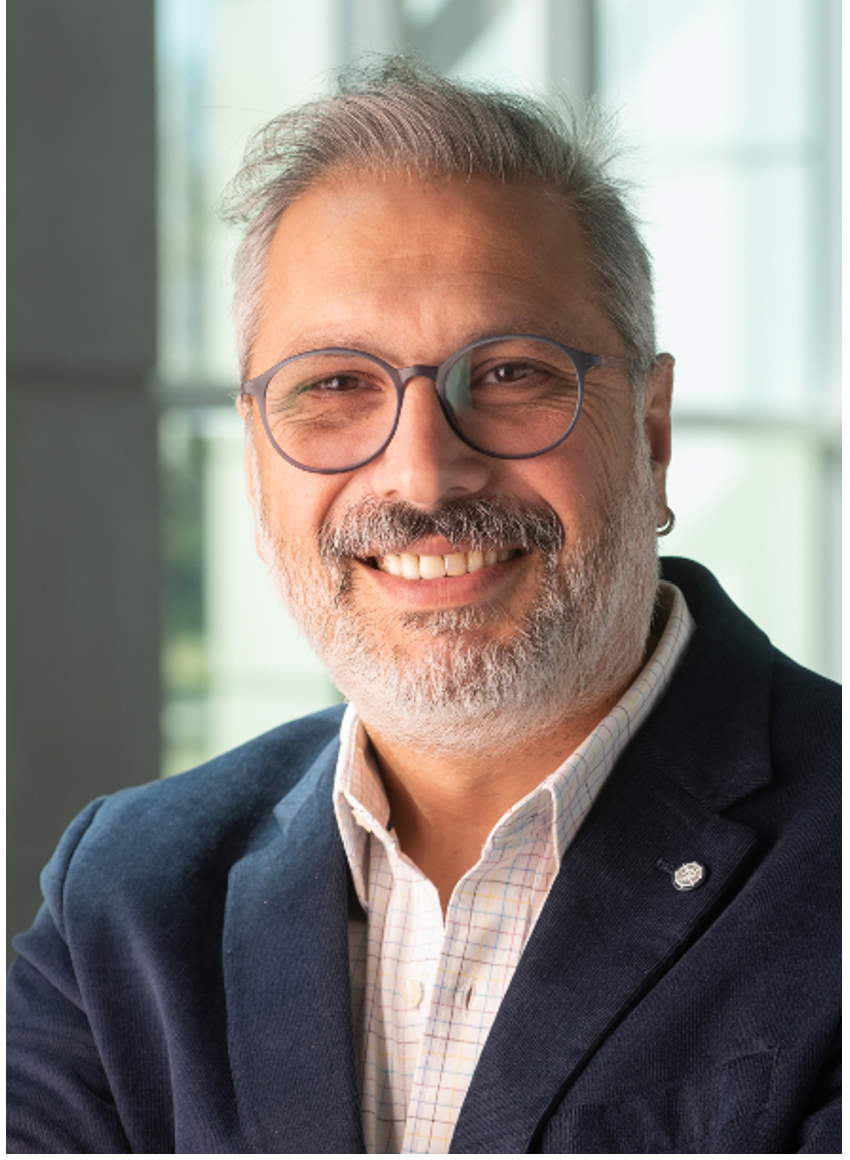 Sinan Onal, Ph.D.
Professor and Chair of Industrial Engineering
Southern Illinois University, Edwardsville (SIUE)
Edwardsville, Illinois, USA
Sinan Onal, Ph.D., is a Professor and Chair in the Department of Industrial Engineering at Southern Illinois University Edwardsville (SIUE). His work focuses on how AI and machine learning can be designed and deployed as part of real operational systems, with an emphasis on reliability, accountability, and measurable outcomes. His research interests include human-centered AI in healthcare operations and data-driven decision support for early identification and follow-up pathways. A key application area in his group is gait-based analysis (iGAIT) as a scalable signal to support earlier screening and referral workflows, especially when stakeholders extend beyond the clinic to include families, schools, payers, and public agencies. He also works on AI-enabled quality and inspection systems, applying computer vision and statistical learning to improve process performance and product quality in industrial settings.
Dr. Onal has been active in the Institute of Industrial and Systems Engineers (IISE), serving as President of the Data Analytics & Information Systems (DAIS) Division, as a Board Director, and as Chairperson for DAIS-related activities at the IISE Annual Conference. His recognitions include the SIUE Teaching Excellence Award, the SIU System Collaboration Award, the SIU Faculty Collaborations Award, the Hoppe Research Professor Award, Outstanding IE Teaching Awards, the IISE Energy Systems Division Best Paper Award, an invited speaker role for the Service-Learning Workshop at Arizona State University, and selection for the Frontiers of Engineering Education Symposium at the National Academies’ Beckman Center.
Presentation Title: Engineering Faculty as System Designers in the AI Era: Designing Incentives, Verification, and Evidence of Learning
Abstract: Generative AI has changed the operating conditions of engineering education. When high-quality text, code, and reports can be produced quickly, the final deliverable becomes a weaker signal of student understanding. This keynote reframes the role of engineering faculty from “tool adopters” to system designers who shape the socio-technical environment in which learning occurs through policy, incentives, assessment structures, workflows, feedback loops, and integrity mechanisms.
The keynote speaker will present three design principles: (1) incentives drive behavior, meaning grading and task design shape how AI is used; (2) learning evidence must be separated from deliverable polish, requiring assessment of reasoning and decision-making; and (3) verification must be built into the workflow so quality and integrity emerge from design rather than policing. Practical “next semester” moves will be shared, including AI-use disclosure standards, data-boundary rules, short oral micro-defenses, checkpoint-based grading, and required verification elements such as baselines, sensitivity analysis, and limitations.
A simple measurement dashboard will be introduced to track learning gains, verification quality, communication under scrutiny, responsible AI use, teamwork behaviors, and reduced project rework. Attendees will leave with a practical framework for redesigning courses and program assessment to protect rigor while increasing industry relevance in an AI-enabled world.
12:00 – 1:00 pm, June 25 (Thursday) – Keynote
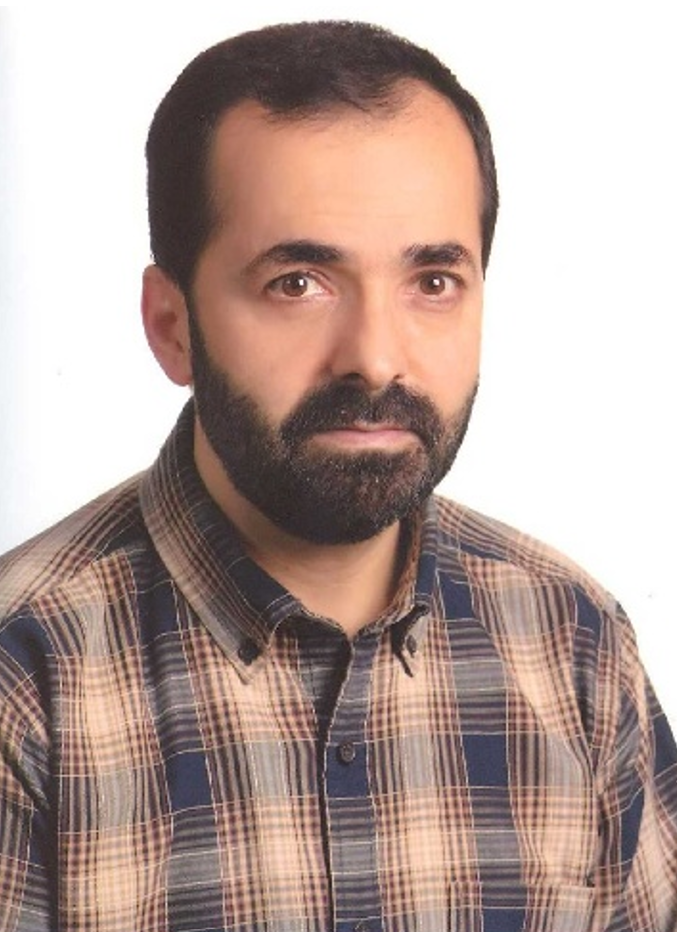 Dr. Ali Allahverdi
Professor
Department of Industrial Engineering
Gazi University
Ankara, Turkiye
Bio
Ali Allahverdi has been a Professor in the Department of Industrial Engineering at Gazi University since May 2023. Prior to this appointment, he served as a faculty member in the Department of Industrial and Management Systems Engineering at Kuwait University from September 15, 1995, to May 15, 2023. Earlier in his academic career, he worked for two years at Marmara University in Istanbul, Turkey, before joining Kuwait University in 1995. He also worked as a visiting scholar at the Department of Industrial Engineering at Rensselaer Polytechnic Institute (RPI), New York, USA, from June 15, 2010, to August 20, 2011.
He received his B.S. degree in Petroleum Engineering from Istanbul Technical University, followed by his M.Sc. and Ph.D. degrees in Industrial Engineering from Rensselaer Polytechnic Institute, New York, USA. His academic and research excellence has been recognized through several prestigious awards. He received the Top Cited Article Award from the European Journal of Operational Research in 2012. Furthermore, he received the Distinguished Researcher Award in 2003, which recognized his excellent performance and outstanding research achievements over the preceding decade. Moreover, he received the Research Performance Award in 2004, acknowledging exceptional research results of outstanding significance and the demonstrated impact of a completed research project. He also received the Dissertation Prize from Rensselaer Polytechnic Institute, Troy, New York, in 1993, in recognition of outstanding academic achievement and strong promise for a successful research career.
He has published approximately 150 papers in well-known international journals, which have collectively received more than 9,000 citations, reflecting the significant impact and wide recognition of his research contributions. Moreover, he has presented more than 100 papers at international conferences. Furthermore, he has served on the scientific committee of more than 100 international conferences and has delivered keynote speeches at numerous international events, highlighting his standing in the research community.
He has been the editor of the European Journal of Industrial Engineering since 2007 and has served as a guest editor for the European Journal of Operational Research, the International Journal of Production Research, and the International Journal of Operations Research. In addition, he is currently serving as an associate editor of several international journals and as a member of the editorial boards of multiple other leading international journals, contributing actively to the advancement and dissemination of research in industrial engineering and operations research.
Presentation Title: Navigating the Publication Process: From Desk Rejection to Acceptance — A 30-Year Journey as Author, Reviewer, and Editor
Abstract
Drawing on over thirty years of experience as an author of approximately 150 journal papers in well-known journals, a referee for numerous journals, an editorial board member for many journals, a guest editor for journals such as the European Journal of Operational Research and the International Journal of Production Research, and the Editor of the European Journal of Industrial Engineering for the past twenty years, this keynote synthesizes hard‑earned lessons and practical strategies for navigating the academic publication process. High desk rejection rates, sometimes exceeding eighty percent, reflect not only the quality of research but also the effectiveness of its presentation, journal selection, and response to reviewer feedback.
The keynote begins with advice on writing a well‑structured paper. A clear focus, a solid plan, and a standard scientific format are essential. Writing is as important as the research itself, because poor writing can delay or prevent publication. Perfectionism is a trap, and forming a research team with complementary skills is encouraged. For journal selection, factors beyond impact factor matter, including reputation, turnaround time, chances of acceptance, and editorial quality. Simultaneous submission to multiple journals is a serious ethical violation that can lead to immediate rejection and multi‑year bans. Plagiarism and self‑plagiarism are detected by software such as iThenticate, and a similarity score above twenty‑five percent requires revision.
The editorial decision process is then explained. Desk rejections are common and often occur simply because a journal has received too many submissions. If a paper is sent for review, possible decisions include acceptance, minor or major revision, rejection with possibility of resubmission, or outright rejection. Rejection is not a failure but an opportunity: revise based on reviewer comments, submit elsewhere, and never blame or criticize referees. When a revision is requested, authors should respond point‑by‑point, quote each comment, and explain their changes professionally. Disagreeing with a referee is acceptable if done respectfully with clear reasoning. The keynote also covers what irritates referees, such as ignoring comments, arrogant responses, unclear changes, and poor language.
Finally, six real‑life cases from the author’s more than thirty years as an author are presented. These cases illustrate how rejections were turned into acceptances, how contradictory referee reports were resolved with evidence, how a referee’s stronger theoretical claim was respectfully disproven with a counterexample, and how persistence and careful revision led to success even after initial rejection by the same journal. These examples demonstrate that success in academic publishing is not a matter of luck or exceptional talent. It is the result of knowledge, disciplined writing, strategic journal selection, and respectful engagement with reviewers. Attendees will leave with proven strategies for navigating the entire publication process, from writing and submission through revision and final acceptance, based on real‑world experience spanning three decades.
Online Keynotes
June 23, 2026 (Tuesday), 8:00 – 10:00 pm, Ankara Time
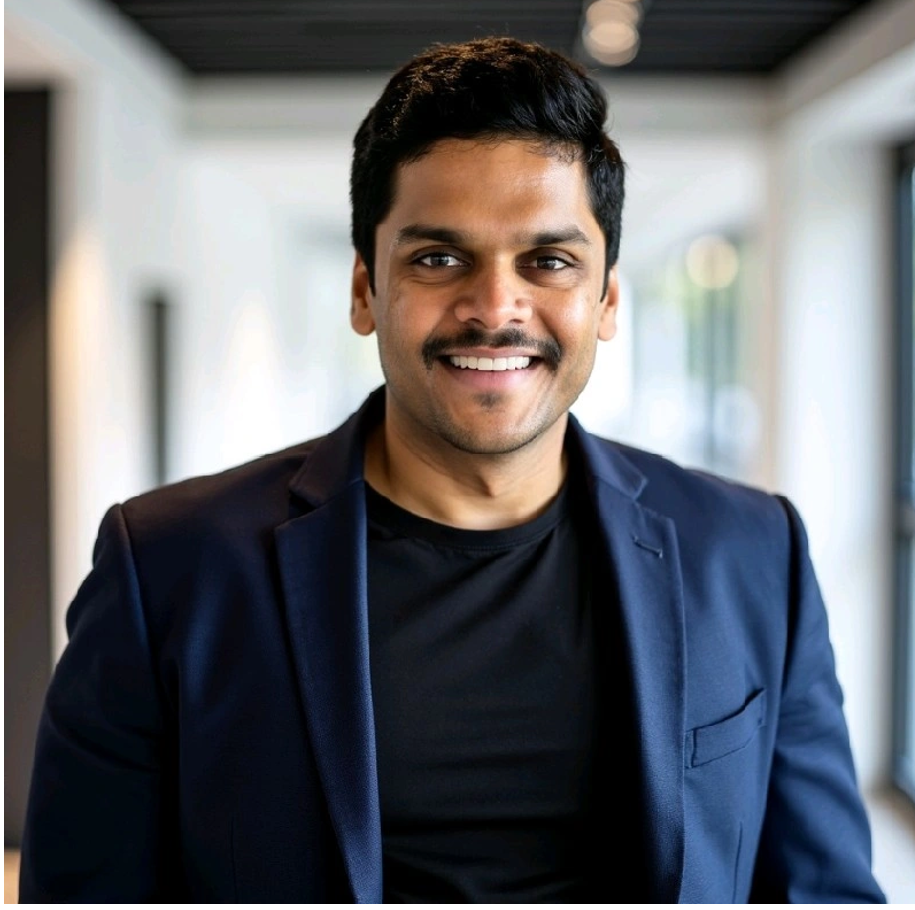
Girish Kumar Gopalakrishnan, MS, CMBB, CSSBB, CMQ-OE
Senior Manager – Continuous Improvement – CNH
Senior Member – IEOM Society International
Girish Kumar Gopalakrishnan is a North America Continuous Improvement Senior Manager at Case New Holland (CNH), Girish has led cross-plant transformation initiatives that have significantly advanced manufacturing performance, digital innovation, and cultural engagement across CNH’s operations. He is a distinguished continuous improvement leader whose 15-year career reflects deep technical expertise, transformative leadership, and a sustained impact on operational excellence. He holds a Master’s degree in Industrial Engineering from North Carolina State University. He was named one among top 50 business transformation leaders to follow in 2025 by Process Excellence Network. He received the 2025 Marlyn Hyde Commitment to Excellence Award from the American Society of Quality (ASQ) NE Illinois Chapter. He serves as an Industry Advisory Board Member for the Industrial & Manufacturing Engineering department at University of Wisconsin-Milwaukee. He is an ASQ certified Master Black Belt, Black Belt and Certified Manager of Quality and Organizational Excellence. He is also a Senior member with Industrial Engineering & Operations Management Society (IEOM), ASQ and Institute of Industrial Engineers (IISE). Girish is serving as the Secretary of ASQ NE Illinois Chapter, and as an Editor-in-Chief of the ASQ Lean Enterprise Division eZine Quarterly Magazine.
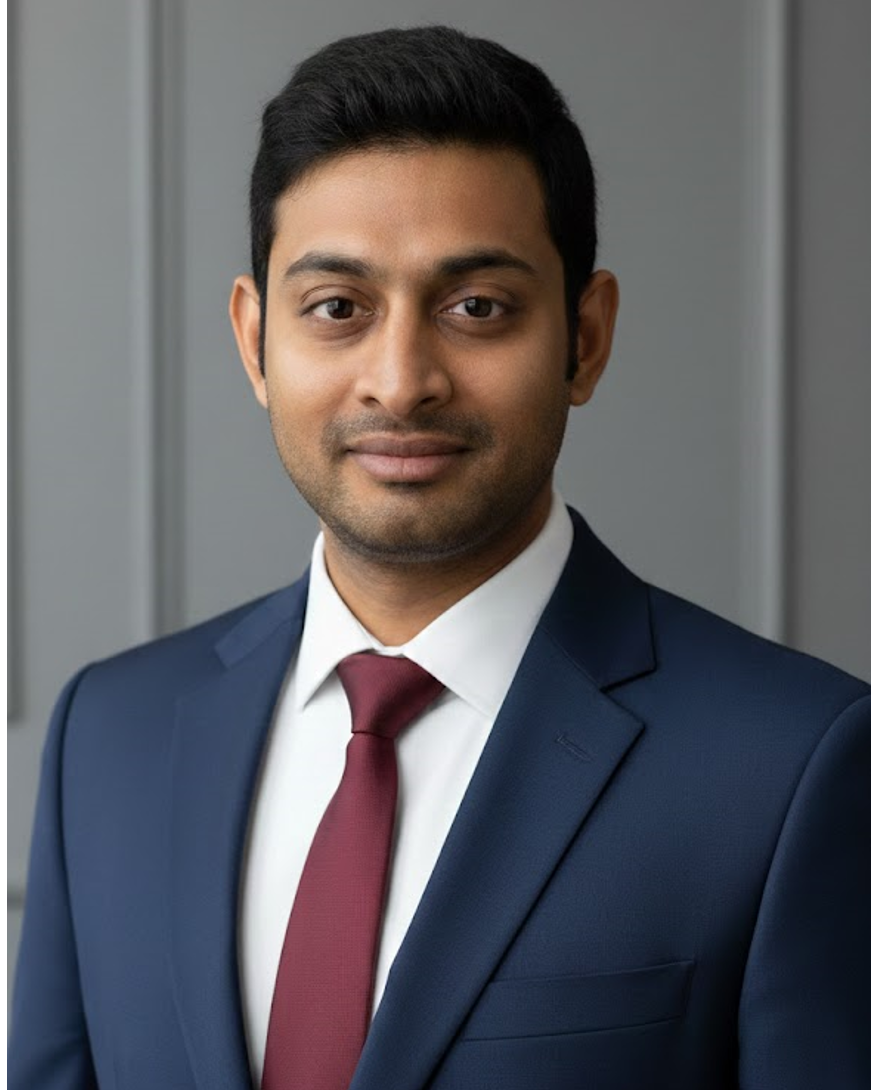 Siva Ravi
Director of Operations Excellence
Marketing Card Technology, LLC
Chicago, IL
Siva Ravi is the Director of Operations Excellence at Marketing Card Technology, LLC, where he leads enterprise-wide initiatives in quality management, regulatory compliance, and operational transformation within secure payment card manufacturing. He specializes in designing and deploying integrated management systems, including ISO 9001:2015 and ISO 27001, along with Card Quality Management frameworks for Visa and Mastercard and regulatory programs such as PCI, HIPAA, SOC 2 Type 2, and FSC.
He brings deep expertise in Lean Six Sigma and structured problem solving, applying methodologies such as PFMEA, 5-Why, Ishikawa, and 8D to drive process stabilization and continuous improvement. His work has delivered measurable impact, including significant reductions in defect rates, improved production efficiency, and sustained productivity gains across manufacturing operations.
His recent work focuses on Industry 4.0 transformation, where he has led the implementation of MES and data-driven shop floor systems to enhance traceability, enable real-time performance monitoring, and reduce manual inefficiencies. He has also applied advanced inventory analytics and optimization techniques to improve material flow and working capital utilization.
Prior to his current role, He supported global operational excellence initiatives across multiple manufacturing sites in Europe, contributing to SAP process standardization and enterprise quality system implementation.
He holds an MBA in Operations from the University of Applied Sciences Hof, Germany, and a Bachelor’s degree in Mechanical Engineering from PSG College of Technology, India. He is a certified Six Sigma Black Belt, ISO 9001 Lead Implementer, Industry 4.0 MES practitioner, and a Steering Committee Member of the International Card Manufacturers Association. His expertise lies in delivering technical and regulatory quality standards for highly secure printing and manufacturing environments supporting Visa and Mastercard programs. His research and professional interests focus on digital manufacturing, data-driven operations, and supply chain optimization within card and personalization industries, with a strong emphasis on tightly controlled lead times, end-to-end traceability, and compliance-driven, high-security production systems.
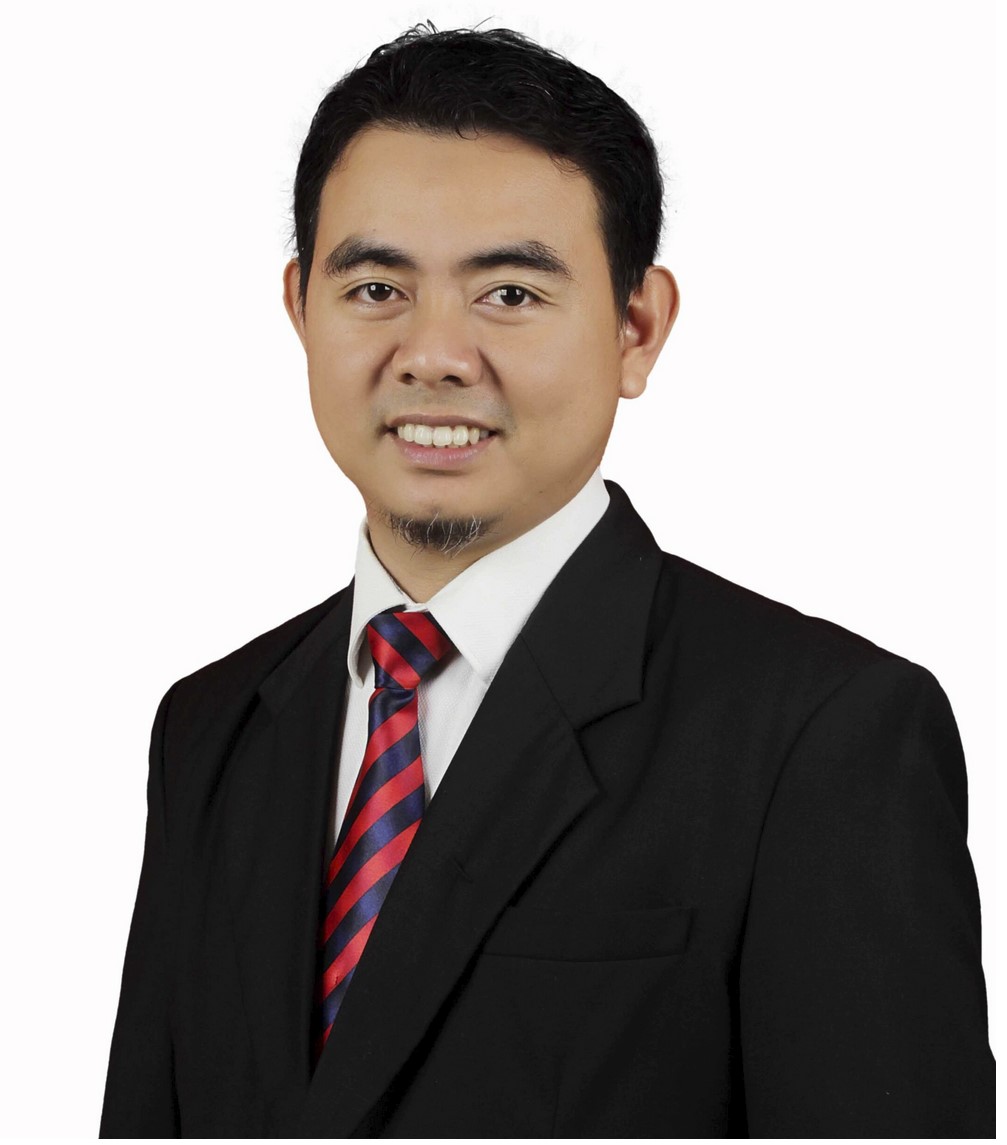 Prof. Fitra Lestari, ST, MEng, PhD, IPM, ASEAN Eng
Professor, Industrial Engineering Department
Faculty Science and Technology
UIN Sultan Syarif Kasim Riau, Indonesia
Fitra Lestari is currently a Professor and Former Head of Industrial Engineering Department in Faculty Science and Technology, UIN Sultan Syarif Kasim Riau, Indonesia. Then, He also Head of Halal Research Group (INPROMAS), UIN Sultan Syarif Kasim Riau, Indonesia. He gained his BEng and MEng in Industrial Engineering from Andalas University (Indonesia) and Universiti Teknologi Malaysia (UTM- Malaysia). Then, He has continued the PhD project at UTM Malaysia in the field of Supply chain relationships in a downstream sector of the Palm Oil industry. He has published extensively including several refereed journal papers, conference papers, book chapters, and edited reference books associated with Supply Chain Management, Marketing, Logistic, and Performance Measurement. He serves as a reviewer, associate editor and editorial member for several national and international journals. He joins as a member of the International Association of Engineers (IAENG), and Director of student competition in Industrial Engineering and Operations Management (IEOM Society- Indonesia), and General Secretary of Indonesian Industrial Engineering Higher Education Organizing Agency (BKSTI Indonesia-Sumatera II). He also registered as Halal Auditor in Indonesia. His industrial and government collaborators include Strategy of Small Medium Enterprises, Halal Supply Chain dan Performance Assessment and Institutional Strengthening of Oil Palm Supply Chains.