
Keynote Speakers
Day 1 – December 26 (Saturday), 2026
9:30 – 10:00 am, December 26 – Opening Ceremony
Opening Ceremony
10:00 – 10:30 am, December 26 – Keynote I:
Industry Speaker from Bangladesh
10:30 – 11:00 am, December 26 – Keynote II:
Academic Speaker from Bangladesh
11:00 – 11:30 am, December 26 – Keynote III:
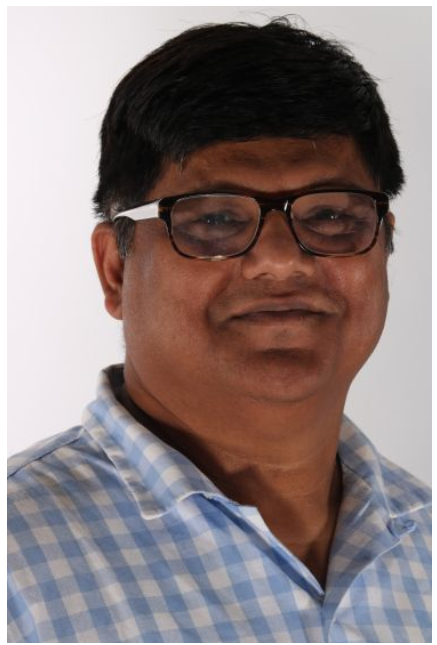 Dr. Jamal Bari
Professor
GameAbove College of Engineering & Technology
Eastern Michigan University
Ypsilanti, Michigan, USA
Dr. Bari is a faculty member at Eastern Michigan University, presently implementing and coordinating the undergraduate program in electronic engineering technology. In the fall of 1997, he defended his dissertation and earned his Ph.D. in electrical engineering from the University of Arkansas. The problem he chose for his research is the control of a stochastic, nonlinear and uncertain model using adaptive control systems, including a modified extended Kalman filter and neural networks. Results from his dissertation were published in the proceeding of the IEEE Conference on decision and control. Dr. Bari has over 20 years of teaching experience and several years of industrial experience as an electrical engineer. He has taught a broad range of electronics courses and is experienced in ABET-accredited curriculum development. He was instrumental in developing 3+1 Articulation Agreement with area community colleges, which enabled students to transfer the associate of electronics technology degree program and general education coursework into the electronics engineering technology program without loss of credit hours. He also directed and successfully completed a project funded by NSF for establishing an instrumentation and calibration lab.
Industry Experiences
- Designing, developing and implementing the PLC (Allen Bradley) automated system for Whirlpool Corporation.
- Designing and implementing the wheel clocking mechanism, wheel transfer automation and clear coat operation for the wheel manufacturing company, Superior Industries International Inc.
11:30 am – 12:00 pm, December 26 – Keynote IV:
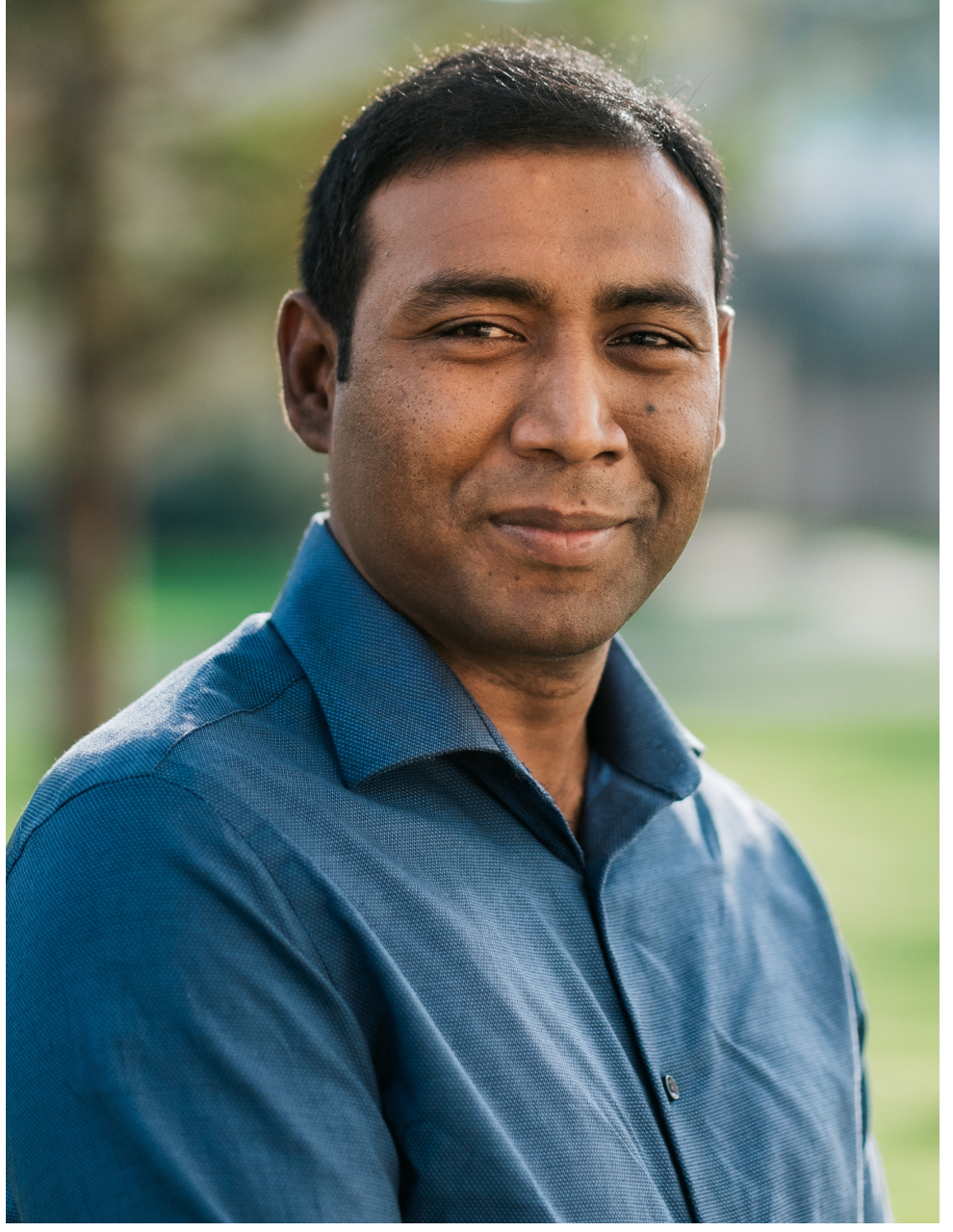 Dr. Shamim Ahamed
Assistant Professor
Biological and Agricultural Engineering
University of California, Davis
United States
12:00 – 12:30 pm, December 26 – Keynote V:
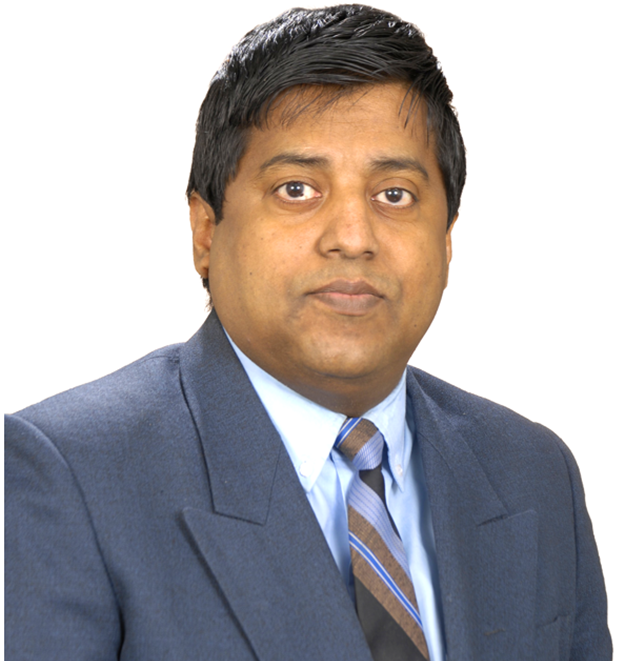 Ahad Ali, Ph.D.
Associate Professor
Director, Doctor of Engineering in Advanced Manufacturing
Director of Industrial Engineering Program
Director, Graduate Certificate in Lean Six Sigma
Director, Smart Manufacturing and Lean Systems Research Group
Coordinator, Siemens Electro-Matic Industrial Engineering Lab
A. Leon Linton Department of Mechanical, Robotics and Industrial Engineering
Lawrence Technological University
Southfield, Michigan, MI 48075, USA
From Importing Parts to Building In-House Capabilities – Industrial Engineering in Bangladesh
Keynote Presentation Highlights
- Industry 4.0 and Precision Manufacturing: Building Bangladesh’s advanced manufacturing capabilities through automation, digital transformation, smart manufacturing, and precision production—moving from importing parts to developing in-house capabilities and integrating with global supply chains.
- Industry-Ready Engineering Graduates: Preparing students through hands-on learning, industry projects, senior design, internships, laboratories, and real-world problem solving so graduates are ready to contribute to industry from day one.
- Healthcare Quality and Operational Excellence: Applying Industrial Engineering, Lean Six Sigma, quality management, simulation, and process improvement to improve healthcare quality, efficiency, patient safety, and service delivery.
- RMG Quality, Productivity, and Safety: Applying Industrial Engineering and Lean principles to Bangladesh’s Ready-Made Garment (RMG) industry to improve quality, productivity, worker safety, ergonomics, and global competitiveness.
- University–Industry Collaboration: Industrial Engineering senior design and course projects with local companies with engaging students and faculty in solving real-world industrial problems and creating measurable value for businesses.
- From Education to Industrial Innovation: Creating a stronger connection among universities, industry, government, and professional organizations to develop the workforce, technologies, and innovation ecosystem needed for Bangladesh’s next stage of industrial growth.
Dr. Ahad Ali is an associate professor, director of the Doctor of Engineering in Advanced Manufacturing, Director of the Industrial Engineering Program, and Director of Graduate Certificate in Lean Six Sigma at A. Leon Linton Department of Mechanical, Robotics, and Industrial Engineering of the Lawrence Technological University (LTU), Southfield, Michigan, USA. He established the Siemens Electro-Matic Industrial Engineering Lab at LTU. Dr. Ali was the primary author of the ABET self-study report of the BSIE Program at LTU in 2022. He earned a BS in Mechanical Engineering from Khulna University of Engineering and Technology (KUET), Bangladesh, a Master’s in Systems and Engineering Management from Nanyang Technological University, Singapore, and a Ph.D. in Industrial Engineering from the University of Wisconsin-Milwaukee, USA. Dr. Ali was an Assistant Professor in Industrial Engineering at the University of Puerto Rico – Mayaguez, a Visiting Assistant Professor in Mechanical, Industrial, and Manufacturing Engineering at the University of Toledo, and a Lecturer in Mechanical Engineering at the Bangladesh Institute of Technology, Khulna. He received an Outstanding Professor Award from the Industrial Engineering Department, University of Puerto Rico -Mayaguez. Dr. Ali has been recognized with a Fulbright Award. He has published 75 journal papers and 150 conference papers. Dr Ali conducted research projects with Chrysler, Ford, DTE Energy, New Center Stamping, Whelan Co., Delphi Automotive System, GE Medical Systems, International Truck and Engine Corporation (ITEC), and Rockwell Automation. His research interests include manufacturing systems, quality, lean, six-sigma, simulation, artificial intelligence, supply chain, and optimization. He supervised 11 doctoral students in the Doctor of Engineering in Manufacturing Systems (DEMS). He is the Founder and Chief Executive Officer (CEO) of IEOM Society International. Dr. Ali is a Co-Chair of the International Conference on Industrial Engineering and Operations Management. Dr. Ali organized IEOM conferences around the globe on six continents including Dhaka, Kuala Lumpur, Istanbul, Bali, Dubai, Orlando, Detroit, Rabat, Bristol, Bogota, Paris, Washington, DC, Lima, Johannesburg, Bangkok, Pilsen, Toronto, Costa Rica, Monterrey, Sao Paulo, Riyadh, Manila, Melbourne, New Delhi, Sydney, Augsburg, Tokyo, and Muscat. He is an associate editor of the IJIEOM (Q1, Scopus Indexing). Dr. Ali is a member of IEOM, INFORMS, SME, and IEEE.
Day 2 – December 27 (Sunday), 2026
10:00 – 10:30 am, December 27 – Keynote VII:
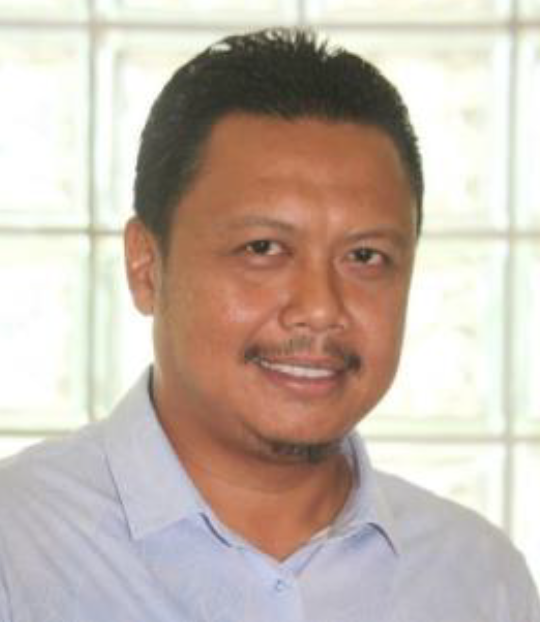
Ir. Dr. Mohd Farriz Hj. Md Basar
Associate Professor
Faculty of Electrical Engineering and Technology
Universiti Teknikal Malaysia Melaka (UTeM), Malaysia
Coordinator, ASEAN Energy Laboratory
Presentation Title: “Unlocking Hidden Water Energy: Engineering and Deployment of Soft Hydropower for Bangladesh and ASEAN”
Ir. Dr. Mohd Farriz Hj. Md Basar is an Associate Professor at the Faculty of Electrical Engineering and Technology, Universiti Teknikal Malaysia Melaka (UTeM), Malaysia, where he also serves as Coordinator of the ASEAN Energy Laboratory. His research focuses on renewable energy, pico hydropower, ultra-low-head hydropower, sustainable energy technologies, and community-scale energy solutions, with particular emphasis on developing practical hydropower systems for low-head and low-flow water conditions.
Dr. Basar is actively engaged in international academic collaboration and research networking across the ASEAN region. His recent international engagements include serving as an Invited Speaker at ICGET 2026 in Tokyo, Japan, and as a Keynote Speaker at ICEOE 2026 in Ho Chi Minh City, Vietnam. His work highlights the potential of innovative, small-scale hydropower technologies to support sustainable energy development and expand access to renewable energy in communities with underutilized water resources.
At the 9th IEOM Bangladesh International Conference 2026, Dr. Basar will address the potential of soft hydropower as an emerging approach to harnessing the energy of rivers, canals, irrigation channels, and other water resources. His proposed keynote, “Unlocking Hidden Water Energy: Engineering and Deployment of Soft Hydropower for Bangladesh and ASEAN,” will explore engineering opportunities, technical challenges, environmental considerations, and practical implementation strategies for Bangladesh and the wider ASEAN region. His presentation will emphasize the role of universities, industry, and international research partnerships in translating innovative energy technologies into sustainable, community-oriented solutions.
Through his academic, research, and international engagement, Dr. Basar contributes to advancing renewable-energy innovation and strengthening regional collaboration toward a more sustainable energy future.
10:30 – 11:00 am, December 27 – Keynote VIII:
11:00 – 11:30 am, December 27 – Keynote IX:
11:30 am – 12:00 pm, December 27 – Keynote X:
12:00 – 12:30 pm, December 27 – Keynote XI:
12:30 – 1:00 pm, December 27 – Keynote XII:
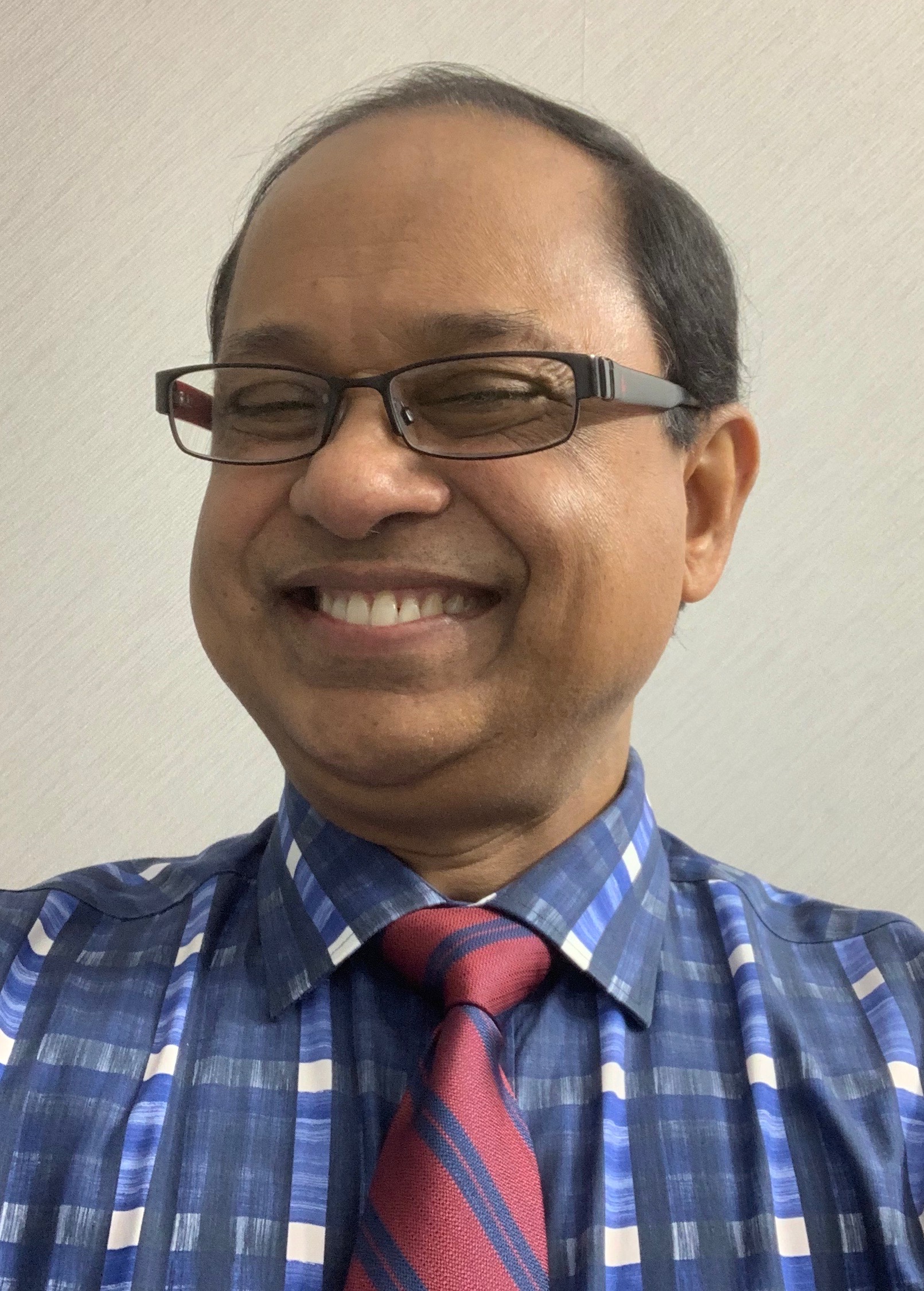 Dr. Harun Rashid
Adjunct Professor
Wayne State University
Detroit, Michigan, USA
Presentation Title: Effective Teaching and Learning
Dr. Harun Rashid earned his M.A. degree from Dhaka University (Bangladesh) and University of Waterloo (Canada); and earned his Ph.D. from Wayne State University (Detroit). He has devoted his career in university teaching and research for over four decades – here and abroad – including Chittagong University and Dhaka University (Bangladesh), University of Waterloo (Ontario), Wayne State University (Detroit), University of Phoenix, Marygrove College (Detroit), and Wayne County Community College (Detroit). He aims at continuing to add more tools to his toolbox toward building strong professional learning communities at colleges and universities. He cares about being culturally responsive, and he continues to strive toward sharpening up his individual educational leadership knowledge, skills, and dispositions. His goal is to ensure consistency and precision in his strategic planning, decision making, and solution seeking. He focuses on enacting system-wide capacity-building processes in his area of concentration in the field of teaching and learning.
In addition, as the Director of Staff Mentoring and Coaching at a public charter school system for about 10 years, Dr. Rashid has been overseeing the faculty coaching, mentoring, professional development, and staff evaluation programs. He has also been conducting professional development training for teachers and instructional administrators. His goal is to assist in building, and being an important and effective part of, an impactful, healthy, growth-producing, innovative, and networked educational system that would ensure mastery-oriented mindset for all students in both core academic content and in the 21st century skills that would prepare them for college and tomorrow’s world of work.
He has published in his areas of expertise – Philosophy and Education. He has been working – for about a decade – as a pre-publication professional reviewer of books published by Oxford University Press, McGraw-Hill Higher Education, and Routledge: Taylor and Francis Group. He is a K-12 educational administrator certified by Michigan Department of Education, and a certified Quality Assurance Review Team Chair of NCA (North Central Accreditation). He served as a panelist (along with two other panelists: David Schmidt, V.P. of Connections Education Inc; and Mack Moore from National Heritage Academies) on a symposium on ESPs, EMOs, and CMOs: What are these education management organizations, and what is it like to work for one at Central Michigan University: The Governor John Engler Center for Charter Schools in April 2014.
Dr. Rashid offered professional development workshops for Michigan Department of Education, Detroit Public Schools, Metro Detroit are Private Schools, APIAVote, Michigan Institute of Professional Psychology, Michigan Association of Public School Academies, Wayne State University, Wayne County Community College, Bangladesh University Grants Commission, Universities in Bangladesh: Brac University, Dhaka University, Chittagong University, Jahangir Nagar University, and CCN University – Comilla.
He has offered professional development workshops for all levels of educators and educational administrators on Differentiated Instruction; Sheltered Instruction Observation Protocol (SIOP); Quality School and Choice Theory; Effective Classroom Management; Learning Styles and Multiple Intelligences; Brain-based Learning; School Improvement; Teaching Critical Thinking; Reach Them Before You Teach Them; How to Get Parents on Your Side; Response to Intervention; Live Event Learning; and High Performing Teacher; Brain Based Ways We Think and Learn; Building Communication and Team Work in the Classroom; Classroom Management: Orchestrating a Community of Learners; Coaching Skills for Successful Teaching; Designing Motivation for All Learners; Discovering the Power of Live Event Learning; Meaningful Activities to Generate Interesting Classrooms; Professional Refinements in Developing Effectiveness; Purposeful Learning through Multiple Intelligences; Successful Teaching for Acceptance of Responsibility; Teaching the Skills of the 21st Century; and Cognitive Coaching: Making Faculty Better, NOT Bitter.