
Keynote Speakers
October 13, 2026 (Tuesday) – Day 1
10:00 – 10:40, October 13 (Tuesday), 2026 – Opening Keynote
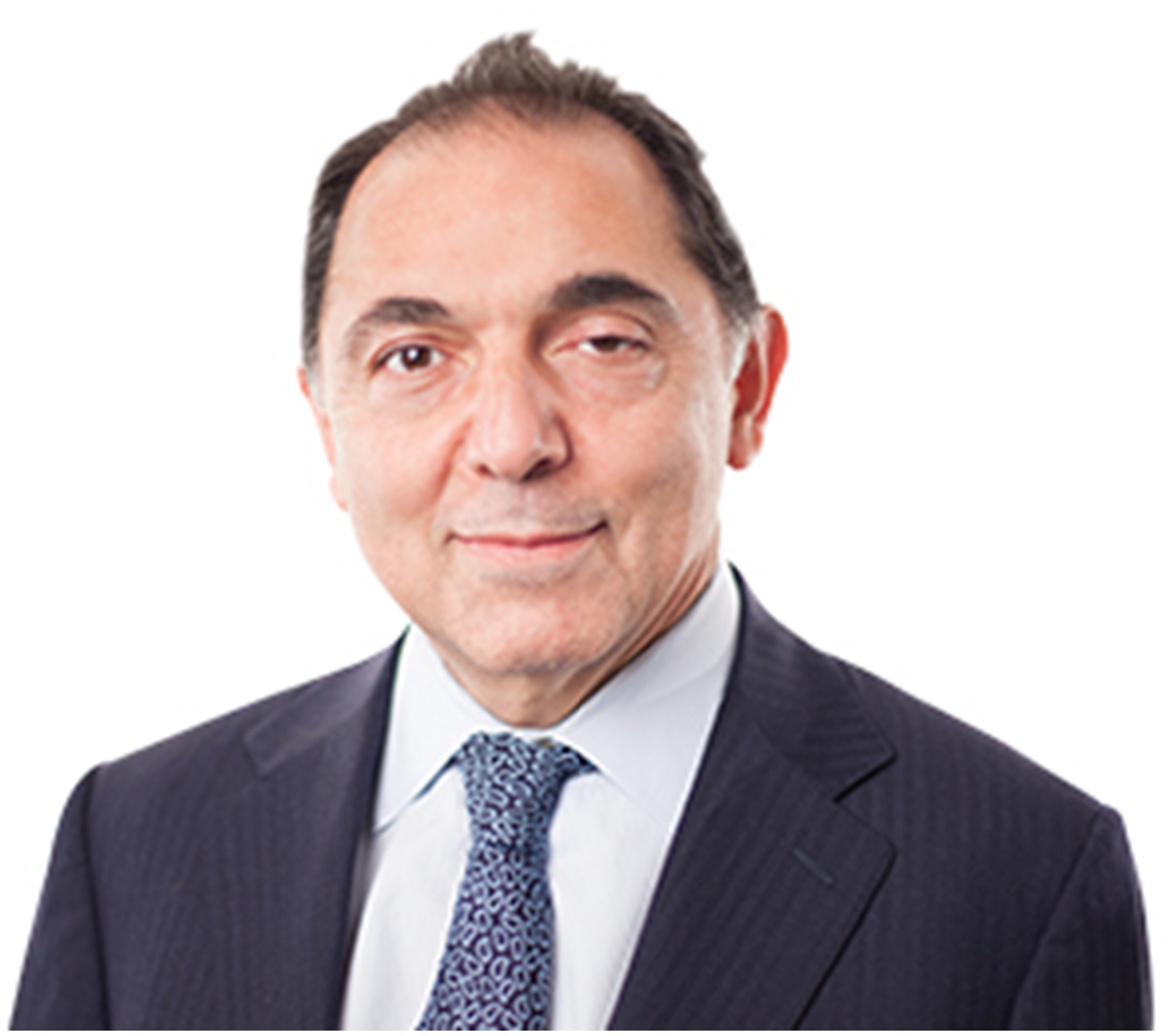
Javad Mokhbery
CEO and President
FUTEK Advanced Sensor Technology, Inc.
Irvine, California, United States
By all accounts, Javad Mokhbery is a brilliant man. Without any financial help, he built his company, FUTEK Advanced Sensor Technology, Inc., from one bed room apartment to be the leading manufacturer of sensors for a wide variety of industries throughout the world. As a mechanical engineer and innovator, he stays ahead of the trends and positions his company as a pioneer within the evolving industries that he serves. Today, his sensors are used on drills deep down in the Earth for the oil and gas industry and on the surface of Mars where NASA’s rover Curiosity has been exploring since 2012 and making new discoveries each day with the help of FUTEK’s technology. FUTEK sensors are also used in the manufacturing process of the world’s leading smartphones and wearable devices. Indeed, he is extremely smart.
Yet this is not what makes Javad an effective entrepreneur. Pure intelligence, he says, only gets one so far in business. Even if you boast the top mind in your field and balance it with a knack for business and science, you are still missing a huge piece of the equation – emotional intelligence (EQ).
Javad says his EQ has been his key to entrepreneurial success. It’s not something that can be taught through a traditional education, and it’s not necessarily something one is born with either. Rather, Javad credits his unique upbringing and life experiences.
Born in Iran in 1952, Javad was raised by religiously conservative parents, and his father was a successful businessman. By the early 1960s, Javad knew he wanted to study in America, but his parents did not approve. Refusing to take “no” for an answer, he began recruiting random tourists off the street and invited them over for lunch or dinner to expose his folks to the West and show them that foreigners weren’t bad while making friends, practicing English and learning their culture. Then again, we are talking about 1960s; there were no internet or social media like today.
The strategy forged a special kind of EQ in Javad, which serves him to this very day. As an Iranian pre-teen, he said that conversations with strangers from places like Switzerland and Germany helped him empathize and connect with people from all walks of life. He was able to connect with his parents in a powerful way as well. Emotional Intelligence is largely about knowing what other people want or need, and Javad pulled this off in an unusual fashion. When he was 19, they agreed to let him go study in England.
In January 1974, he moved from London to Detroit to advance his education first at DIT (Detroit Institute of Technology). Then at OCC (Oakland Community College) and finally at the Lawrence Institute of Technology (LIT). The move was drastic. He wound up in some of the most dangerous areas of the city and worked there as an ice cream salesman to pay for his education. Though he easily could have, Javad never asked his parents for money. Instead, he worked hard and used his EQ to forge relationships in some of the most undesirable neighborhoods of Detroit to pay for this stage of his education.
Upon graduating from LIT, Javad worked his way up at sensor Production Company in Detroit called GSE. With no green card but with practical training permit from the government, he started in 1979 as the lowest paid engineer at the company and left in 1985 as the highest paid engineer, just below his manager. Then he moved to Southern California to another sensor company in Cerritos called Transducers Inc. and later worked primarily as a contractor to aerospace manufacturers at Rockwell International in Downey, including NASA’s Space Shuttle program.
In 1988, Javad Used up all his saving to buy his first house in Aliso Viejo Ca, got married, ended his journey and his full-time job at Rockwell International and committed to FUTEK with his brother Mohammad Mokhberi, who joined him from Sweden. Upon Javad’s Arrival in California, FUTECH was originally founded in 1985 , which stands for “future technology,” They built the company from the ground up with no money and no commercial loans. The only financing Javad had available to him was his home equity loan on his house in Aliso Viejo and credit cards.
For seven years they struggled, but by the mid-1990s FUTEK had caught its stride, and it was innovating sensors ahead of any other manufacturer in the space. Javad said FUTEK has been successful because of its ability to foresee where other industries are going and develop a sensor for that new direction before the technology needing the sensor actually exists. This approach which follows Blue Ocean Strategy as well as Bayesian Strategy has enabled FUTEK to make its own markets and have huge sectors essentially all to themselves.
The result has been almost two decades of exponential growth. FUTEK employs over 140 people at its Irvine headquarters, where it develops and manufactures all of its sensors. Javad takes great pride in making all of his products in the U.S., and he uses all American-sourced raw materials as well. Not only does he not buy components from China, which is done by many other players in his market, but as a global U.S. company he sells many sensors to China at a premium.
FUTEK’s sensors have a great reputation with high volume medical, aerospace and automation OEM accounts maintaining a zero field reject rate, with the mindset that “Failure is not an option“, something that is extremely rare at this level of precision manufacturing. However, an even greater source of pride for Javad is the fact that FUTEK has never laid off an employee since inception. Even during a lean period following implementation of Oracle Business Suite in 2009, FUTEK kept everyone on staff even though the orders had temporarily dried up. He puts machinist and skilled technicians to work doing other things around the office, such as landscaping, just to keep them productive until activities picked up again.
He insists on a “quality culture” as opposed to “quality control,” which gives manufacturing ownership to his team and yields FUTEK’s coveted zero field rejection rate. The dedication to his team is part of Javad’s Emotional Intelligence philosophy towards entrepreneurship, and it guides different management strategies that he’s deployed at FUTEK.
10:40 – 11:20, October 13 (Tuesday), 2026 – Keynote II
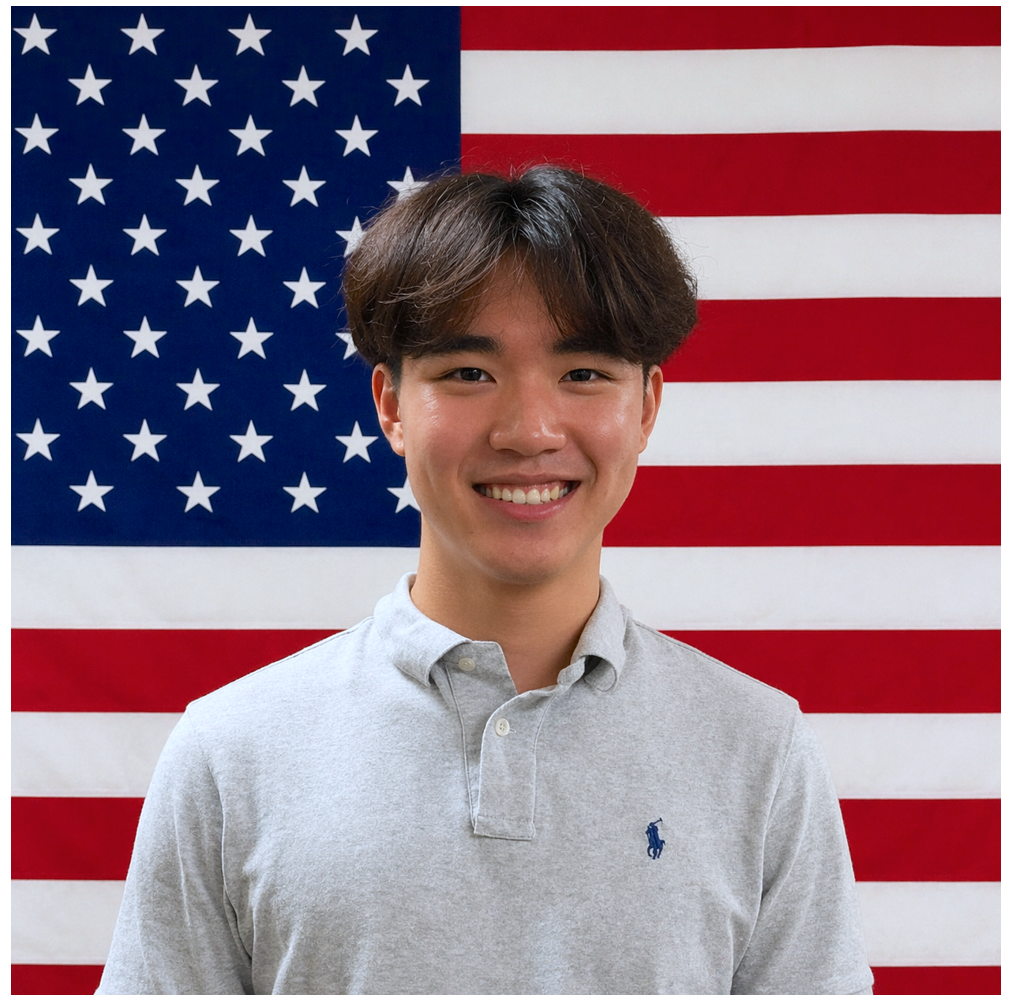 Andy Zhou
Founder, Defense Technology Engineer
Irvine, California, USA
Presentation Title: “AI Designed It. I Printed It. It Flew.” — Building an Autonomous Interceptor with Generative CAD and Desktop Additive Manufacturing
Andy Zhou is a self-taught defense technology engineer and founder based in Irvine, California, currently leading development of an autonomous counter-UAS interceptor. Over the past five years, his technical work has spanned autonomous flight control, computer vision and thermal imaging for real-time object tracking, embedded Linux and edge AI accelerators, and the additive manufacturing of airframes using engineering polymer composites.
Beyond the interceptor program, Zhou’s work includes the applied use of large language models for parametric CAD and code generation, the design of mesh networking protocols for multi-agent autonomous coordination, and research in efficient neural architectures for memory-constrained and low-power hardware. His broader interests include the structural challenges facing the American defense industrial base, particularly domestic component sourcing and vertically integrated manufacturing.
11:20 – 12:00, October 13 (Tuesday), 2026 – Keynote III
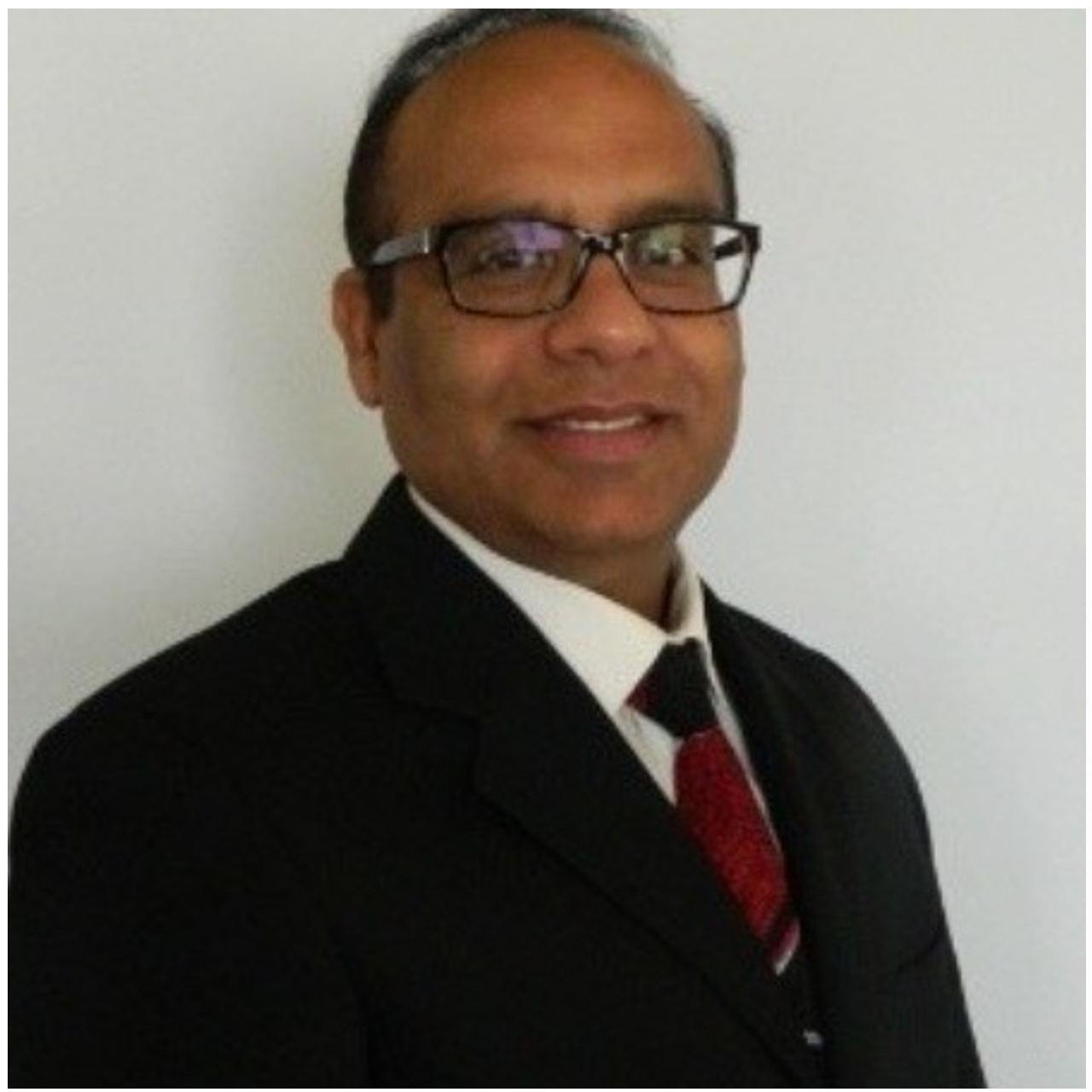
Gopal P. Mohanty, PhD
Assistant Professor, Department of Regulatory and Quality Sciences
USC Alfred E. Mann School of Pharmacy and Pharmaceutical Sciences
University of Southern California
Presentation Title: Driving Operational Excellence, Regulatory Readiness, and Scalable Innovation in Advanced Manufacturing
Dr. Gopal P. Mohanty is a seasoned industry executive and an educator with over two decades of global leadership in Quality, Compliance, Regulatory, and Clinical Affairs. He has held pivotal roles, including Vice President, Director, and Advisory Board Member, driving strategic initiatives and operational excellence across multinational organizations.
Dr. Mohanty has a proven track record of driving efficiency in regulatory submissions, securing product approvals, and ensuring compliance with global standards, including FDA, EU, PMDA, and other regulatory bodies. His accomplishments include spearheading global quality and regulatory strategies, launching products in the USA, EU, and MDSAP regions, and implementing robust systems compliant with FDA, ISO 13485, MDSAP, MDR, and SaMD standards.
He has taught various topics related to Regulatory Science, Quality, Compliance, and Lean Manufacturing as an adjunct faculty at several institutions over the past 20 years. He has successfully led transformative initiatives, delivering millions in savings through Six Sigma projects and significantly improving quality across complex product platforms.
Dr. Mohanty holds a Ph.D. in Industrial Engineering complemented by executive education at Harvard, Kellogg, and Chicago Business Schools. A certified ISO 13485 Lead Auditor and Six Sigma Black Belt, he also holds dual Regulatory Affairs certifications in medical devices and pharmaceuticals. His unique blend of technical expertise and strategic vision empowers him to inspire teams, align stakeholders, and deliver innovative solutions that drive organizational success.
12:00 – 12:40, October 13 (Tuesday), 2026 – Keynote IV
 Dr. Tony Prensa, PhD, MBA, PMP, CB-PMO, CCP, ITIL, 6σ
Chief Executive Officer & Founder
TP Global Business Consulting, LLC
Orlando, Florida, USA
Emotional Intelligence and Leadership
Dr. Prensa is a highly accomplished executive and leader of project management office (PMO), project/portfolio management, information systems and technologies, combines a Doctorate in Organizational Leadership with a major in Information Systems and Technologies, Certified PMO Professional, Authorized PMO Instructor, Certified Project Management (PMP), and ITILIV certification with extensive experience managing and overseeing large information systems projects/programs, strategic planning, and seamless IT implementations. Adept at reengineering business processes, change management and IT infrastructure with business visions to drive profitability, efficiency, and growth within the organization. Proficient at ensuring all processes comply with regulatory requirements and IT governance practices. Excellent communicator with strong influencing and problem-solving skills. Strong leadership skills and demonstrated ability to lead team members and external business contacts including stakeholders such as consultants, partners and vendors. Demonstrated track record of delivery of multiple technical and business projects on time and within budget. Experience in full-lifecycle project management methodologies and tools. Dr. Prensa has been involved with the Project Management Institute for more than twenty-five years. He served a vice president of PMI Puerto Rico Chapter from 1998-2000. He also volunteered in many activities to promote project management and participated of writing PMP exam questions workshop in Dallas, Texas in 2002. Dr. Prensa has helped hundreds of project management professionals to get prepared for the PMP exam. Dr. Prensa has taught project management for several universities in the country, including Virginia Technical University, Grand Canyon University, Colorado Technical University, University of Phoenix and currently teaching for Walden University. With more than 25 years of teaching experience in various formats, face-to-face and virtual. Dr. Prensa has developed techniques to connect with learners and students in the most efficient way. Dr. Prensa has extraordinary people skills, he always puts people first.
13:00 – 14:30 – Buffet Lunch and Networking
October 14, 2026 (Wednesday) – Day 2
10:00 – 10:40, October 14 (Wednesday), 2026 – Keynote V
 Dr. Peter J. Burke
Professor, Electrical Engineering and Computer Science
Professor, Biomedical Engineering
The Henry Samueli School of Engineering
University of California, Irvine
Irvine, California, USA
Peter Burke is a pioneer in nanoelectronics and its application to biotechnology. He is the recipient numerous awards including Young Investigator award from the Office of Naval Research, the Young Investigator Program award from the Army Research Office. His lab has made fundamental contributions to nanotube and graphene electronics, nanoelectromagneitcs, as well as microchip based instrumentation for nano-electrophysiology and metabolomics. He received the Ph.D. degree in physics from Yale University, New Haven, CT, in 1998. From 1998 to 2001, he was a Sherman Fairchild Postdoctoral Scholar in physics at the California Institute of Technology, Pasadena. He is currently a Professor in the Departments of Electrical Engineering & Computer Science, Chemistry & Materials Science and Engineering, and Biomedical Engineering at the University of California, Irvine.
10:40 – 11:20, October 14 (Wednesday), 2026 – Keynote VI
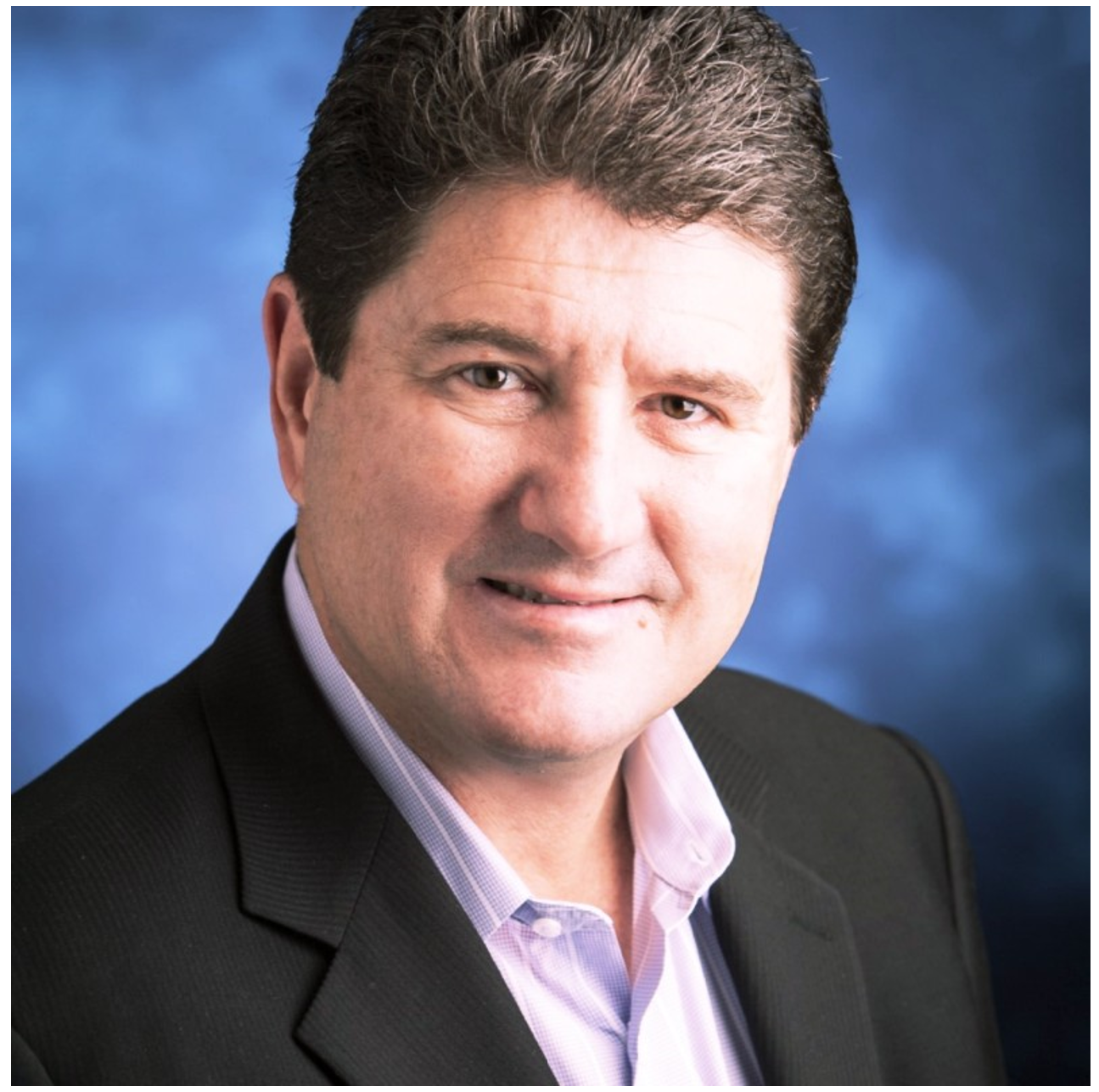
Steve Harrington
Senior Advisor and Workforce Development Strategist
Manufacturing Skill Standards Council
Simi Valley, California, USA
Presentation Title: Preparing the 21st-Century Workforce for Supply Chain Automation and Advanced Manufacturing
Steve Harrington is a supply chain industry veteran with more than 40 years of leadership experience in supply chain, logistics, distribution, workforce development, and economic development. He currently serves as Senior Advisor, Western U.S., for the Manufacturing Skill Standards Council (MSSC), where he is the principal industry contact for the Certified Technician–Supply Chain Automation (CTSCA) certification program, an industry-developed credential designed to prepare technicians for the rapidly evolving supply chain automation sector.
Harrington previously served for 16 years as President and Chairman of the Distribution Management Association of Southern California (DMA), a 250-member logistics industry association that he helped develop, organize, and lead. He has extensive experience bringing together industry, academia, workforce-development organizations, and government stakeholders to address emerging challenges in supply chain and logistics.
For 11 years, Harrington served as an Industry Liaison and researcher for the NSF-funded National Center for Supply Chain Automation (SCA). In this role, he developed and oversaw a national industry leadership team comprising supply chain executives and logistics professionals and contributed to initiatives addressing the changing technology and workforce requirements of the supply chain industry.
Harrington has spent more than 20 years speaking nationally to industry, academic, and workforce-development audiences on supply chain trends, automation, technology adoption, and the implications of these changes for the 21st-century workforce. His industry experience also includes 28 years in supply chain operations, most recently serving as West Coast General Manager for Perrigo Company, a Fortune 500 healthcare and pharmaceutical manufacturer.
His work at the intersection of supply chain automation, advanced manufacturing, workforce development, industry credentials, and emerging technologies provides a valuable industry perspective on preparing the workforce for the next generation of manufacturing and logistics systems. Harrington has also been recognized twice with the “Spirit of the Entrepreneur” Award for his contributions to economic development.
11:20 – 12:00, October 14 (Wednesday), 2026 – Keynote VII
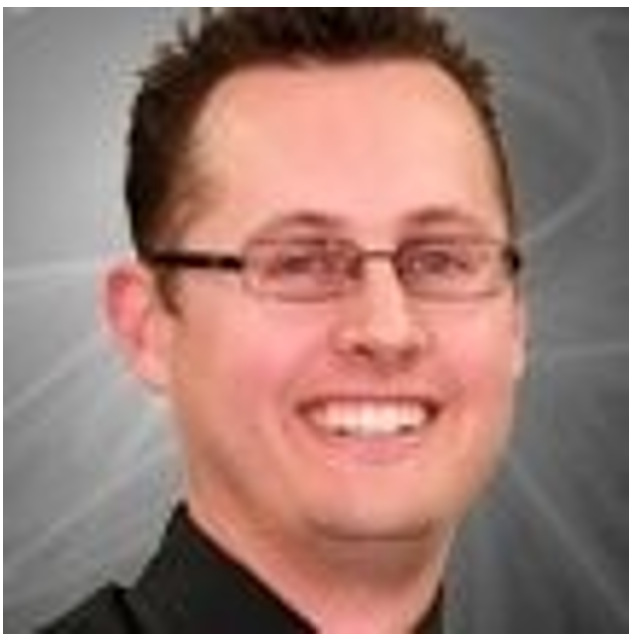
Richard Walker
Technical Director and Operations
FUTEK Advanced Sensor Technology, Inc.
Orange County, California, United States
Presentation Title: Advanced Sensing Technologies for Smart Manufacturing: Connecting Measurement, Data and Intelligent Operations
Richard Walker is a technical and operations leader at FUTEK Advanced Sensor Technology, Inc., an Orange County, California-based manufacturer specializing in advanced sensor and measurement technologies. In his role as Technical Director and Operations, he provides leadership at the intersection of engineering, technology development, manufacturing operations, and customer-focused technical solutions.
Walker’s experience with advanced sensing technologies provides valuable insight into the role of sensors, measurement systems, instrumentation, and data acquisition in modern manufacturing and engineering applications. His work is closely aligned with the growing adoption of connected and intelligent technologies that enable real-time monitoring, process control, quality improvement, automation, and data-driven decision-making.
At FUTEK, Walker is part of an organization recognized for developing and manufacturing advanced sensing solutions used across a broad range of demanding applications. His perspective encompasses the practical challenges of translating advanced sensor technology into reliable products and manufacturing solutions, including engineering development, production operations, quality, and technology integration.
With the continued transformation toward Industry 4.0, smart manufacturing, industrial automation, and data-driven production systems, advanced sensing and measurement technologies are increasingly important for creating connected and intelligent manufacturing environments. Walker brings an industry perspective on how these technologies can support improved manufacturing performance, reliability, quality, and operational efficiency.
A notable achievement of Walker’s career is his involvement in FUTEK’s collaboration with NASA and the Jet Propulsion Laboratory (JPL) on the Mars Curiosity Rover. FUTEK developed specialized force and torque sensors used on the rover’s robotic systems, supporting precise measurement and control during its scientific and drilling operations. Richard Walker is an alumnus of California State University, Fullerton.
12:00 – 12:40, October 14 (Wednesday), 2026 – Keynote VIII
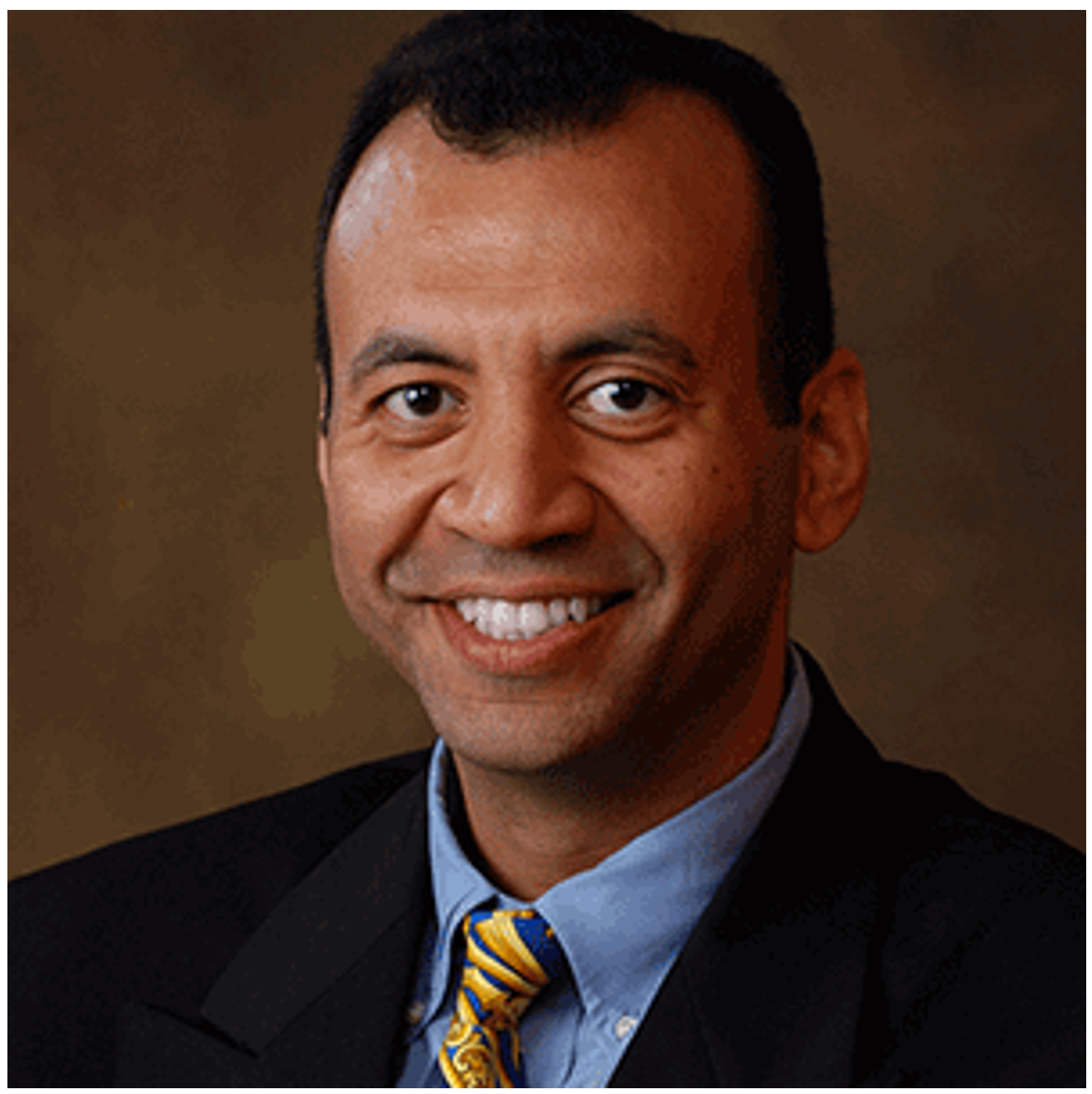 Dr. Ali Abbas
Professor of Industrial and Systems Engineering
University of Southern California
Los Angeles, California, USA
Presentation Title: Integrating AI, Ethics, and an Appropriate Decision System into Large-Scale Decisions
Dr. Ali Abbas is Professor of Industrial and Systems Engineering at the University of Southern California. He is author, coauthor, and editor of numerous books including (i) Foundations of Decision Analysis, with Ronald A. Howard, (ii) Foundations of Multiattribute Utility, (iii) Next Generation Ethics, and (iv) Ethical Decision Quality: Building an Ethical Decision Culture. He also served as the Director of the Neely Center for Ethical Leadership and Decision-Making, and the Center for Risk and Economic Analysis of Threats and Emergencies (CREATE).
He received the Decision Analysis Society Best Paper Award in 2011, the IEEE Systems Council Best Publication Award in 2019, and the Clemen-Kleinmuntz Best publication award in Decision Analysis in 2026. He has been involved in numerous high-stakes decisions including the analysis of TSA-Pre decisions with the Chief Risk Officer of the TSA.
Dr. Abbas regularly teaches courses on decision analysis and has taught numerous executive education courses at a variety of institutions, such as Stanford University, BP, Southern California Edison, the Department of Homeland Security, and numerous other institutions. In addition to his academic career, Dr. Abbas is recipient of the first cohort of NSF I-Corps award where he founded Ahoona, a decision making social network that has several thousand users around the world.
13:00 – 14:30 – Buffet Lunch and Networking
19:00 – 22:00, October 15 (Thursday), 2026
Conference Awards Dinner and Competition Winner Recognitions
October 15, 2026 (Thursday) – Day 3
10:00 – 10:40, October 15 (Thursday), 2026 – Keynote IX
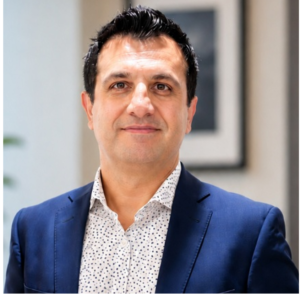 Dr. Amir Sajjadi, Ph.D., PMP
Founder & Lead Consultant
Utmost Connect
Irvine, California, USA
Presentation Title: Deterministic Decision Support for Medical Device Design Verification
Dr. Amir Sajjadi is the founder and lead consultant of Utmost Connect, providing fractional CTO and senior R&D leadership across medical devices, aerospace, and advanced technology sectors. He holds a Ph.D. in Mechanical Engineering (Biomedical Optics) from the Florida Institute of Technology, an M.Sc. in Aerospace Engineering from Iran University of Science and Technology, and a B.Sc. in Mechanical Engineering. With 20+ years of technical leadership, Dr. Sajjadi has held progressively senior roles spanning clinical research, advanced manufacturing, digital engineering transformation, and consulting. At Edwards Lifesciences, he served as Senior Principal Engineer, directing $4M+ R&D programs developing femtosecond laser processing systems for precision cutting and mapping of cardiac implant components (Nitinol, CoCr, stainless steel). He designed and optimized a supersonic gas nozzle using Star-CCM+ CFD analysis for high-pressure micro-laser cutting, achieving a 6% production yield increase and fleet-wide deployment. He managed system-level verification, validation, IQ/OQ/PQ testing, CAPA investigations, and DOE/Gage R&R statistical analysis under 21 CFR 820 and ISO 13485. He also led optics and laser training for 10+ engineers and managers and directed blood-hemodynamics CFD analysis with physiological testing. At Harvard Medical School and Massachusetts General Hospital, he served as Instructor in Radiology and Senior R&D Engineer, directing a first-in-human Phase-I clinical trial of a novel breast optical imaging platform and securing a $500K NIH grant. He led integration of a Mesoscale Imaging System (dual NIR-I and visible imaging channels with CMOS/CCD sensors) for animal drug-discovery applications and directed invention of a patented fNIRS-based non-invasive tissue-monitoring method. He also instructed at Harvard Medical School and MIT-HST, mentored 2 postdoctoral fellows and 1 Ph.D. student, and co-authored numerous peer-reviewed publications. At Saratech, he architected PLM workflows and digital thread strategies across MedTech and aerospace clients, reducing design iteration. Earlier in his career, he conducted NSF-supported research at Florida Institute of Technology on ultra-short pulse laser systems for tumor ablation (supervised 4 master’s students), established Lighting Science Group’s Laser Lab and devised novel laser material deposition techniques for the semiconductor and LED industries, optimized gas turbine and centrifugal pump designs using CFD/FEA modeling at the Energy Research Institute (Niroo), and designed industrial HVAC and piping systems for hospitals and sports complexes at Maher Consulting. Dr. Sajjadi has authored 27+ peer-reviewed publications with 500+ citations, holds 9 patents, and is a PMP-certified professional and Six Sigma Green Belt. He is a member of ASME, OSA, and BMES, is ITAR-eligible, and possesses extensive expertise in FDA 21 CFR 820, ISO 13485, and EU MDR-regulated product development.
10:40 – 11:20, October 15 (Thursday), 2026 – Keynote X
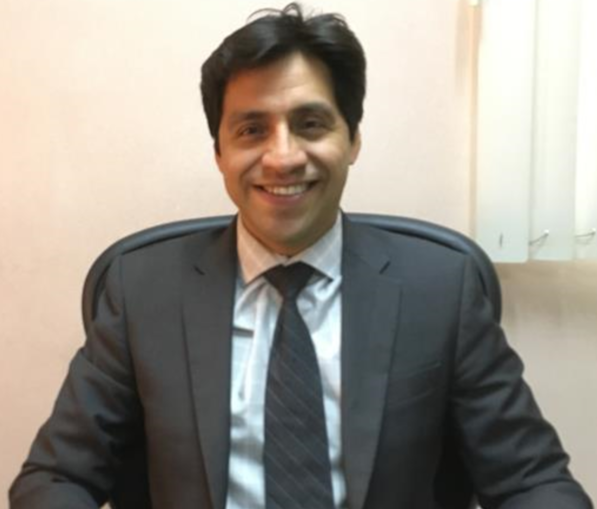
Dr. Luis Rocha Lona
Professor in Operations Management
IPN Business School
National Polytechnic Institute of Mexico (IPN)
México City, Mexico
Luis Rocha-Lona is a professor in Operations Management at the Business School at National Polytechnic Institute of Mexico and at Tec de Monterrey, Campus Santa Fe. Luis Rocha graduated from the National Polytechnic Institute of Mexico (IPN) as Automation Control Systems Engineer. Then, he pursued an MSc in Control Systems with a major in information systems/manufacturing at the University of Sheffield, UK. He holds a PhD in Operations Management from The Manchester Business School. Dr Luis Rocha-Lona has eight years of working experience in the public and private sectors. He has led several projects involved with service and manufacturing organizations and is currently supervising Master and PhD students at National Polytechnic Institute of Mexico.
11:20 – 12:00, October 15 (Thursday), 2026 – Keynote XI
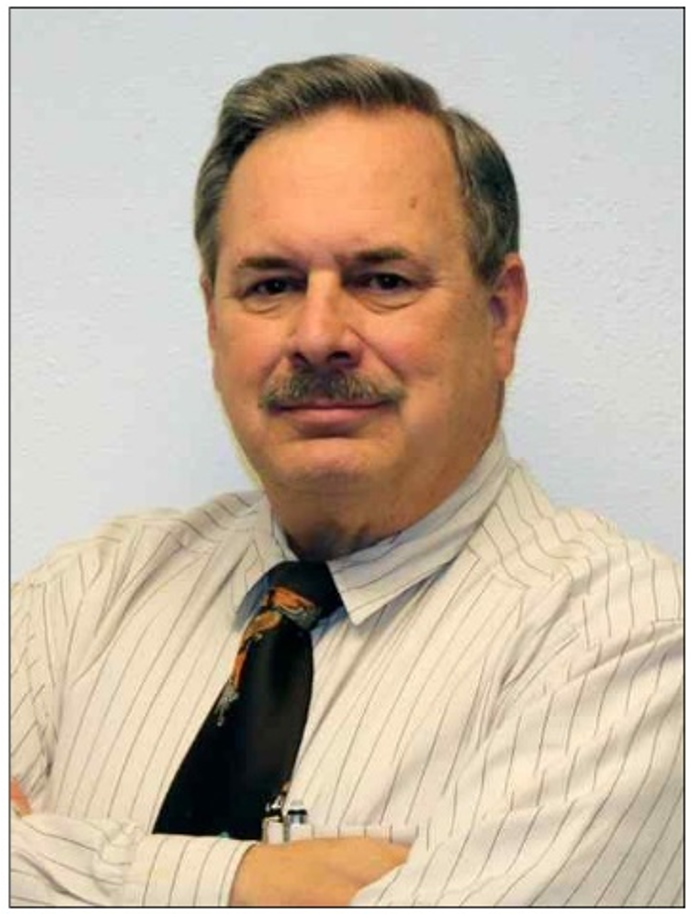 Thomas Bowles, MSEE, CQE, CQA
Director of Quality Assurance
FUTEK Advanced Sensor Technology, Inc.
Orange County, California, United States
As Director of Quality Assurance for FUTEK Advanced Sensor Technology, Inc. in Irvine, CA, Thomas oversees all Quality, Regulatory, Training, and Safety operations for the Corporation, which designs, manufactures, and markets Force, Load, Torque, and Pressure sensors domestically and in 49 countries around the world. In his 22 years as the head of Quality for FUTEK, he has led the Quality team on every major technological sensor program, including sensors for robotic surgery and sensors for NASA’s Mars Rover Curiosity program which continues to send back extraordinary scientific discoveries from the surface of Mars. Thomas also oversees the company’s ISO certifications, including ISO 9001, ISO 13485, ISO 17025, ISO 27001, and AS9100. He is very active in the local chapter of the American Society for Quality (ASQ) as a frequent speaker at technical clinics and has passed the certification exams to be recognized as a Certified Quality Engineer (CQE) and a Certified Quality Lead Auditor (CQA).
Before joining FUTEK, Thomas was the Manager of Reliability and Test Systems for Ultraviolet Devices, Inc. in Valencia, CA, where he directed reliability engineering and reliability growth testing programs for ultraviolet disinfection and sterilization equipment. He holds a US Patent for HVAC sterilization equipment. Before that, he was the Deputy Program Manager of GPS Programs at Magnavox Advanced Systems in Torrance, CA, where the first production GPS receivers for military and civilian use were built. His professional career began at Hughes Aircraft Company after receiving his Master’s Degree in Electrical Engineering from Cal State University, Northridge. He also taught Electrical Engineering as an instructor at his university. At Hughes, he participated in the electronic and digital design of radar and missile systems, including various black programs. Hughes also sponsored his post-Graduate work at USC. Prior to Hughes, he joined the US Air Force Auxiliary, became a pilot, and flew Search and Rescue (SAR) missions around LA and Ventura Counties. Thomas is an FAA-licensed Commercial Pilot and is also a former LAPD Police Officer, having worked street patrol in the Van Nuys Division and later in the Westchester Division.
12:00 – 12:40, October 15 (Thursday), 2026 – Keynote XII
 Dr. Maj Dean Mirmirani
Interim Dean, Russ College of Engineering and Technology, Ohio University, Athens, USA
Past Interim Dean, College of Engineering, Lawrence Technological University, Southfield, Michigan
Dean Emeritus of Engineering, Embry-Riddle Aeronautical University, Daytona Beach Campus. Florida
Dr. Maj Mirmirani received his Ph.D. and M.S. in Mechanical Engineering from the University of California, Berkeley, and his B.S. in Mechanical Engineering from Tehran Polytechnic (Amir Kabir University). Prior to starting his career in the United States in 1981, he spent a year at the Imperial College of Science and Technology’s Department of Electrical Engineering in London as an academic visitor working on the development of a 64-lead electrocardiography (EKG). In 1981, he joined the California State University, Los Angeles’s (CSULA) Department of Mechanical Engineering, where he served as department chair for 12 years. At CSULA, he founded and directed the Air Force Office of Scientific Research (AFOSR)-funded Multidisciplinary Flight Dynamics and Control Lab and was also one of the two co-directors of the NASA-funded University Research Center (SPACE Center). During his tenure at CSULA, he led several major research projects totaling to over $20M in funding. Most notable among them were the pioneering work on modeling, simulation, and control of airbreathing hypersonic flight vehicles; design and development of a high-endurance hydrogen fuel cell-powered UAV (the first such university-built vehicle to fly); design and fabrication of a full-scale precision segmented reflector testbed with shape control and pointing accuracy requirement comparable to a space-based system (a precursor to the J.W. Web); as well as development of a control-oriented multidisciplinary software package for aerospace systems design a project funded by AFOSR. While at CSULA, he also spent two summers at the National Institute of Health’s Division of Mathematical Biology working on mathematical modeling for optimal delivery of monoclonal antibodies in treatment of cancer.
In 2007, Dr. Maj Mirmirani joined Embry-Riddle Aeronautical University as the dean of the College of Engineering at the Daytona Beach Campus. During his fifteen-year tenure, for two years (2016-2018) he also served as the interim senior vice president for academic affairs and research. In August 2021, he retired from ERAU and was given the title of Dean Emeritus. However, he was recruited to serve as the interim dean at the Russ College of Engineering and Technology at Ohio University, June 2022 –July 2023.
In 2024- 2025, Dr. Maj Mirmirani joined Lawrence Technological University as the interim dean of the College of Engineering.
Currently, Dr. Mirmirani is an Interim Dean, Russ College of Engineering and Technology, Ohio University, Athens, USA.
Dr. Mirmirani is a Fellow of the ASME, a Fellow of the Royal Aeronautical Society, and an Associate Fellow of the AIAA. He is an instrument-rated private pilot and a member of the Airplane Owners and Pilots Association.
12:40 – 13:20, October 15 (Thursday), 2026 – Keynote XII
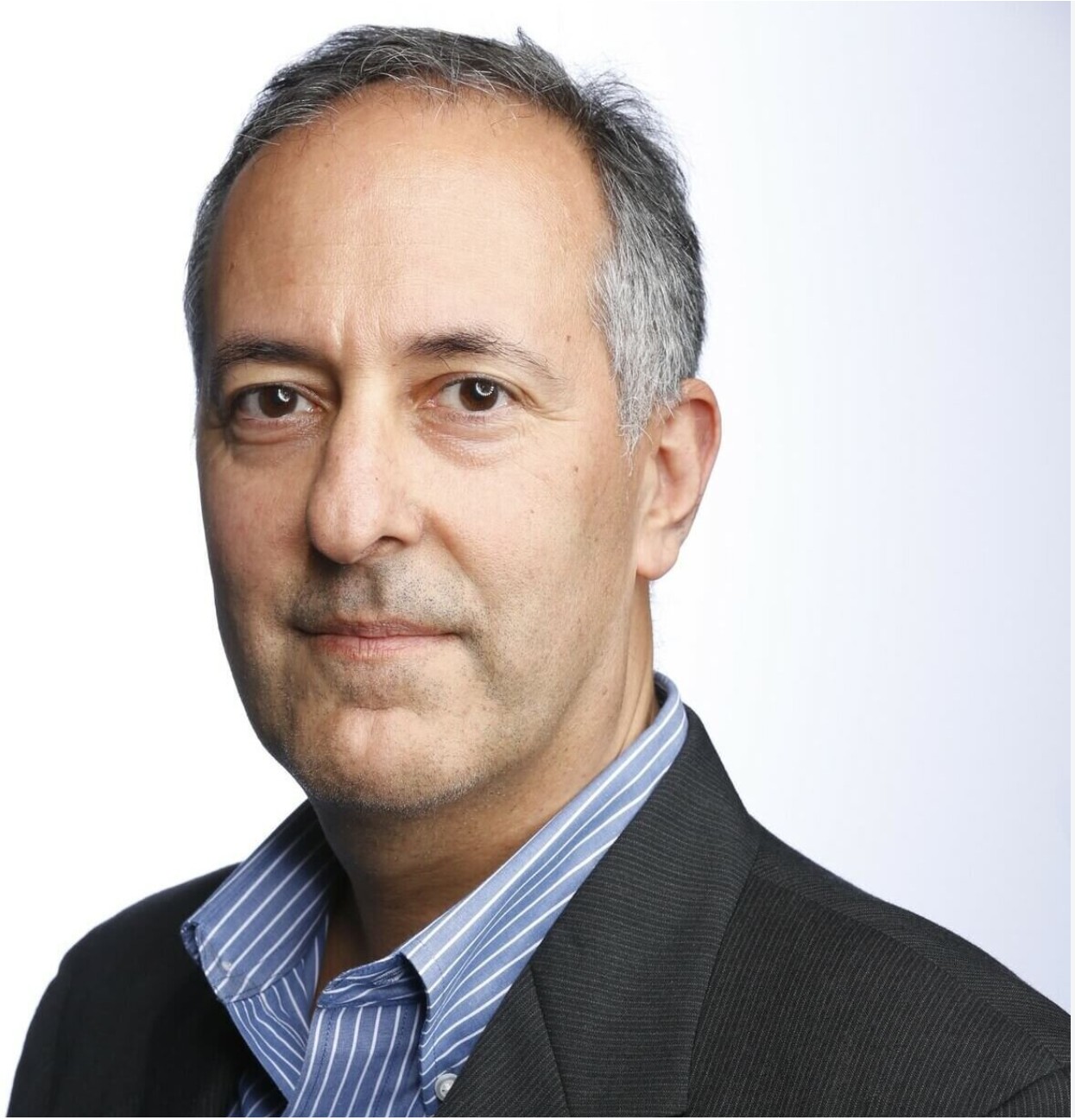 Dr. Ali Arsanjani
Director, Applied AI Engineering and Head of GenAI Blackbelts
Google
San Diego, California, USA
Presentation Title: Balancing Agent Autonomy with Governance
Dr. Ali Arsanjani is a distinguished artificial intelligence and technology leader serving as Director of Applied AI Engineering and Head of GenAI Blackbelts at Google Cloud. He leads strategic initiatives focused on generative AI, agentic AI, AI engineering, and the adoption of advanced AI technologies by customers and industry partners. His work bridges emerging AI research, engineering, enterprise applications, and large-scale technology transformation.
Dr. Arsanjani holds a Ph.D. in Computer Science from De Montfort University, with an academic emphasis on artificial intelligence and knowledge-based systems. His doctoral education and subsequent career have focused on artificial intelligence, machine learning, software architecture, cloud computing, and intelligent enterprise systems.
Prior to Google, Dr. Arsanjani held senior technical and leadership positions at Amazon Web Services (AWS) and IBM, where he worked extensively in AI/ML, enterprise architecture, software engineering, service-oriented architecture, and emerging technologies. He has also served as a lecturer and educator at San Jose State University and the University of California, San Diego, teaching and advising students in data science and related fields.
Dr. Arsanjani is an accomplished author, researcher, educator, and technology strategist with numerous publications and extensive experience translating advanced technologies into practical industry solutions. His expertise includes Generative AI, Agentic AI, Machine Learning, AI Engineering, Data Analytics, Cloud Computing, Enterprise Architecture, and Digital Transformation.
13:20 – 14:30 – Buffet Lunch and Networking